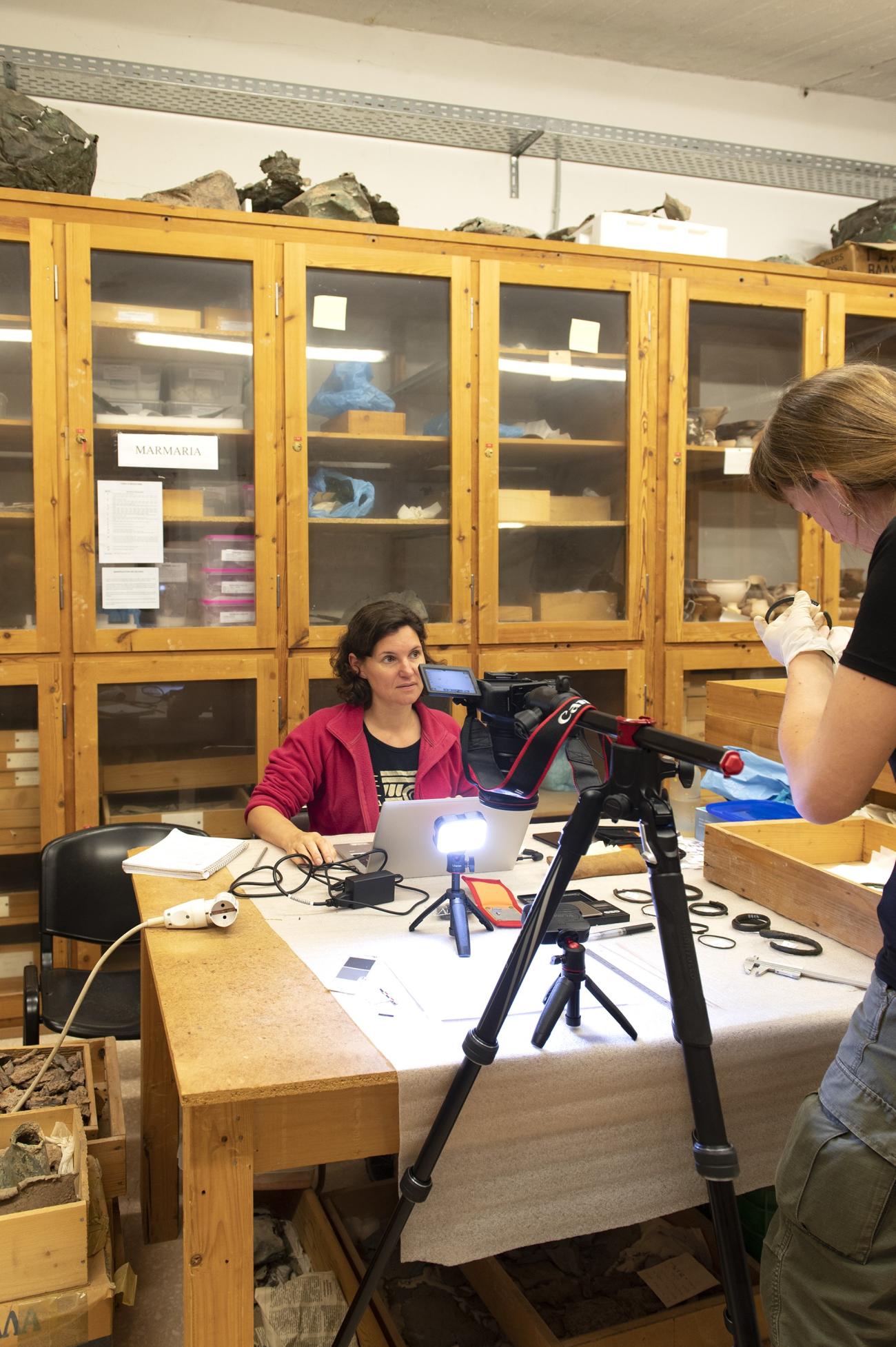
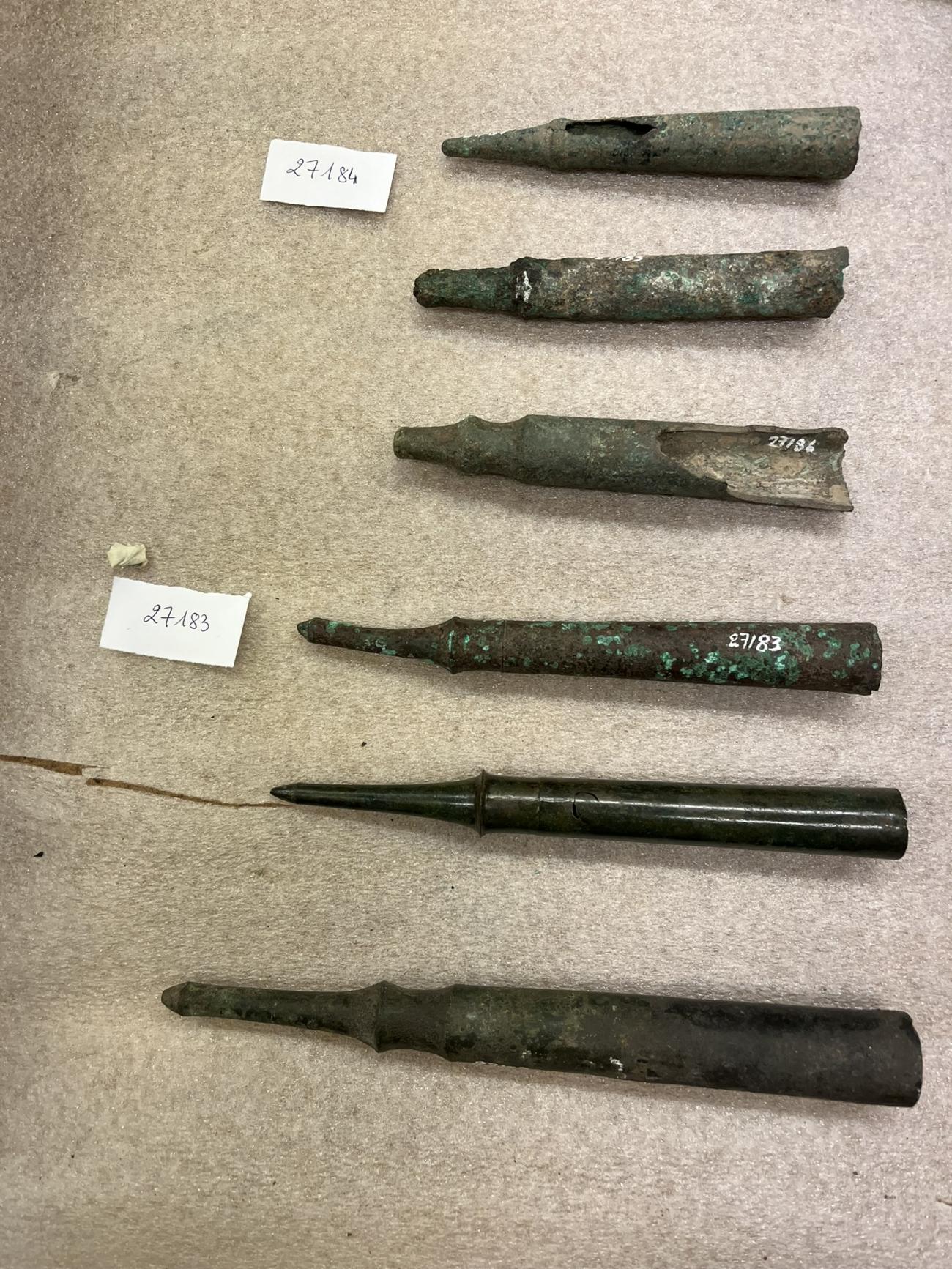
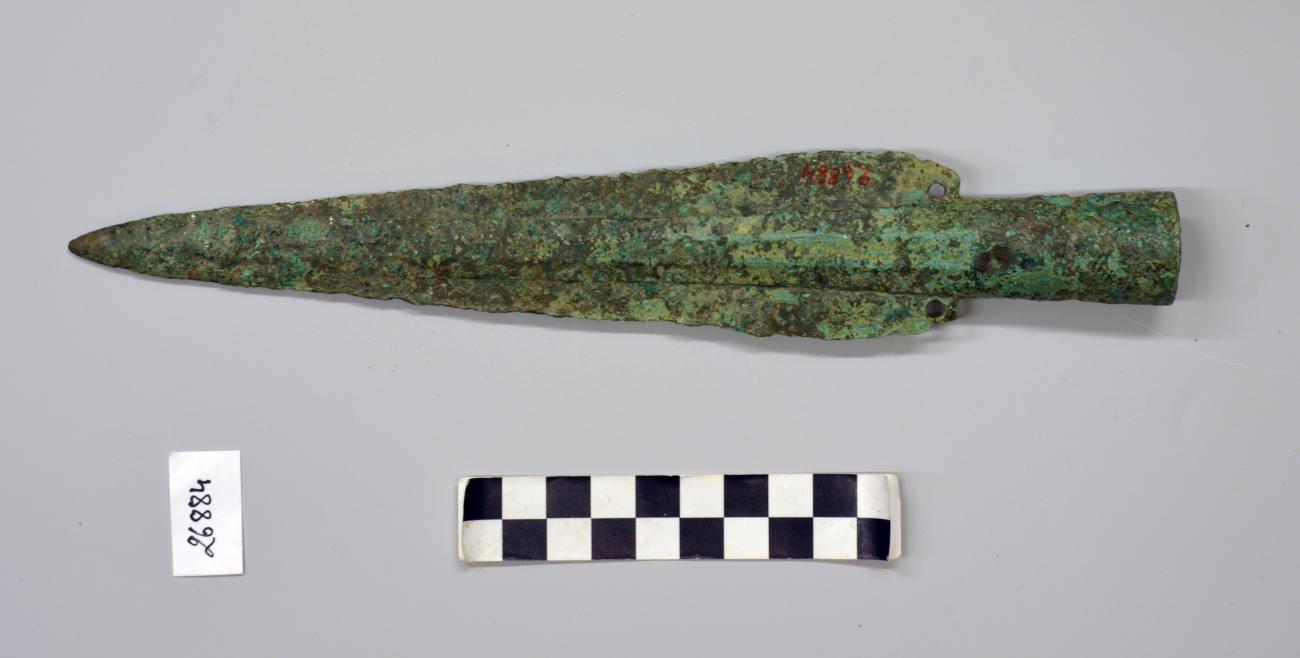
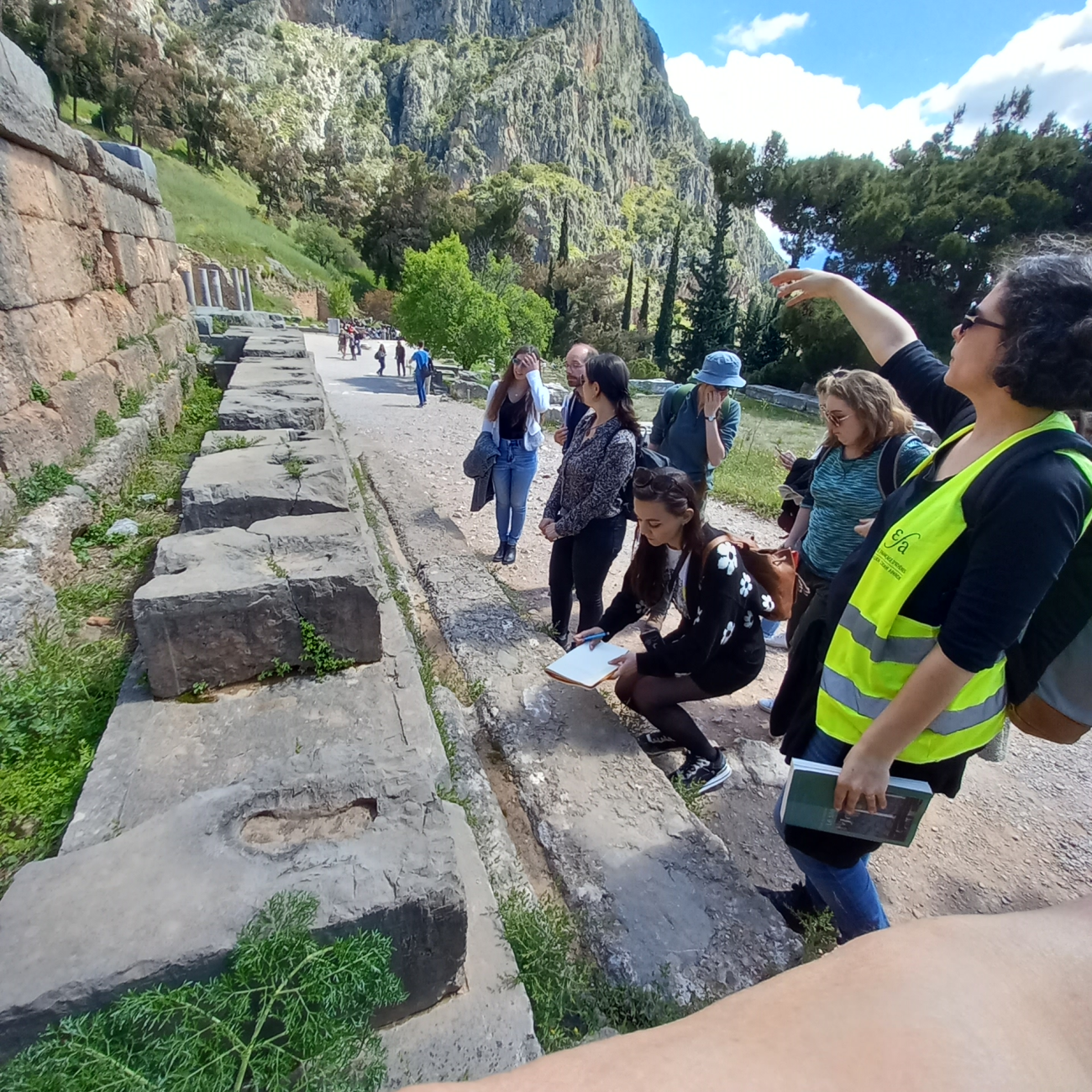
This study is being carried out in two parallel phases, with the aim of investigating the materials (metal and stone) used in the offerings deposited by cities and private individuals in the sanctuary at Delphi.
Bronze objects
For over a century, Delphi has yielded more than 2,000 fragments of bronze objects, some of which have been published in the volumes of the Delphi V Excavations and in numerous articles. Today, our aim is to continue and deepen the study of the bronzes and to work collectively on this ensemble. Our project is supported by the École française d'Athènes and the universities of Aix-Marseille and Strasbourg.
To carry out this collective work, we have set up an inventory and study database to record the bronze objects discovered on the Delphi site and preserved in the museum. The database is accessible remotely, with access strictly limited to active team members. It is located on the Heurist platform, hosted on the TGIR Huma-num servers (Heurist.Huma-Num.fr), which enables the creation of online relational databases. It will easily accommodate images from the EFA archives.
Our aim is to learn more about the sanctuary of Delphi and its place in the Greek world. This program includes studies of materials, currently including finery, weapons and sculpture. These studies will enable us to better characterize bronze craftsmanship in ancient Greece, and to reflect on the practice of offering bronze objects, their function and use right up to their burial in the sanctuary. These studies and the planned publications will enable comparisons with other sanctuaries in the Greek world and fruitful collaborations with all colleagues working on this type of material in other sanctuaries.
The joint work of a restorer will enable us to propose a sanitary assessment of the objects and improve the preventive conservation of Delphi bronzes.
Stone sculptures
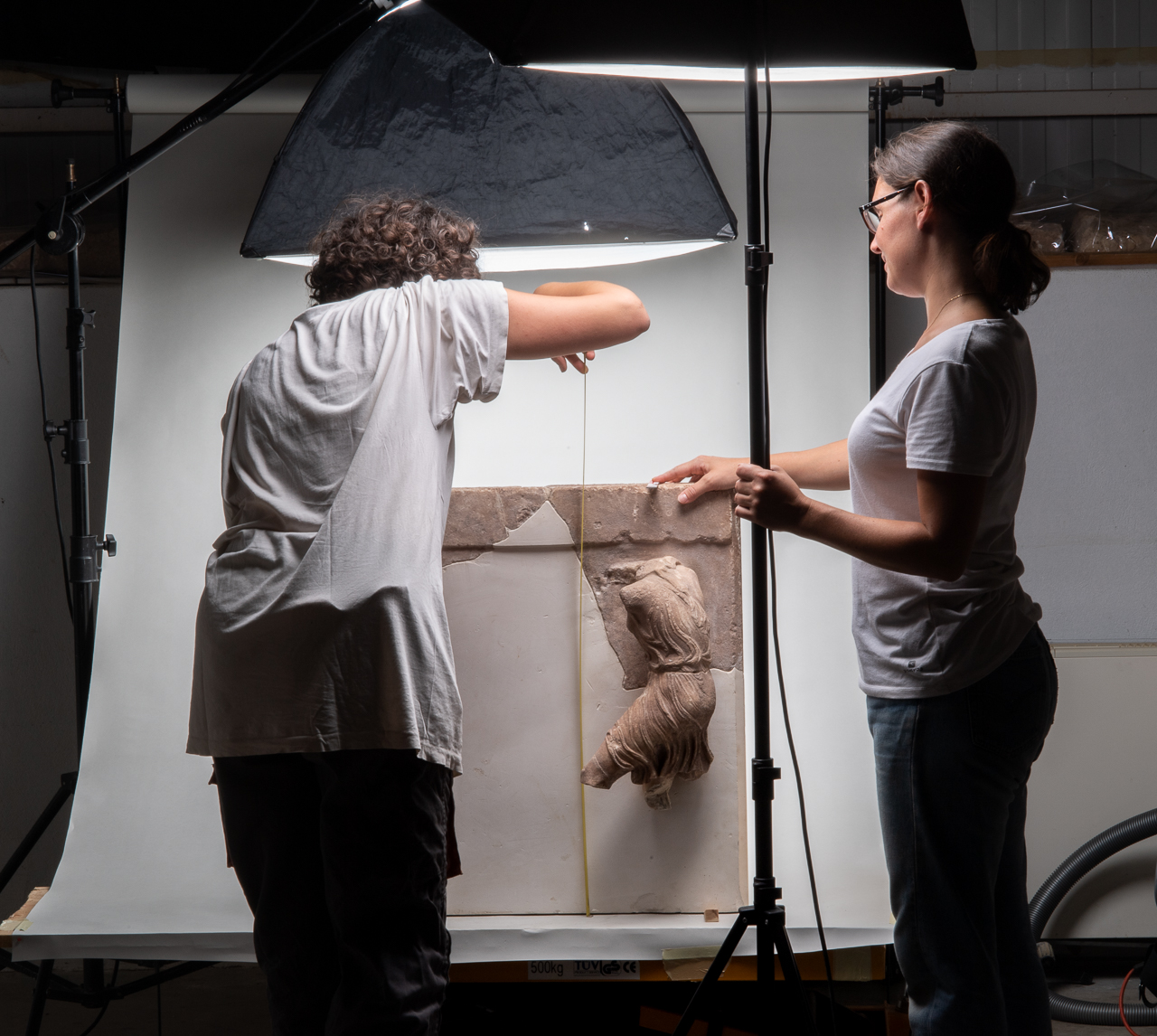
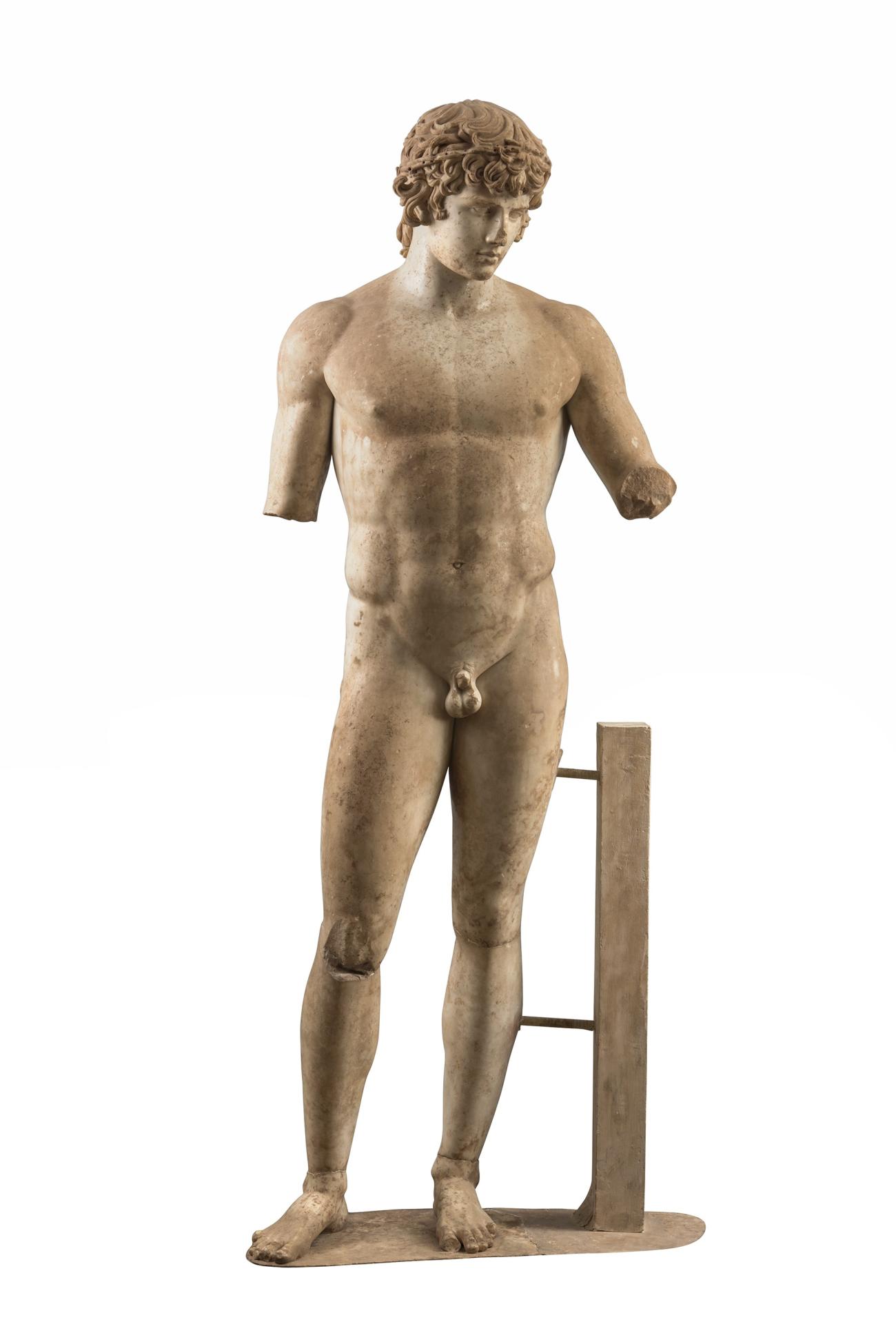
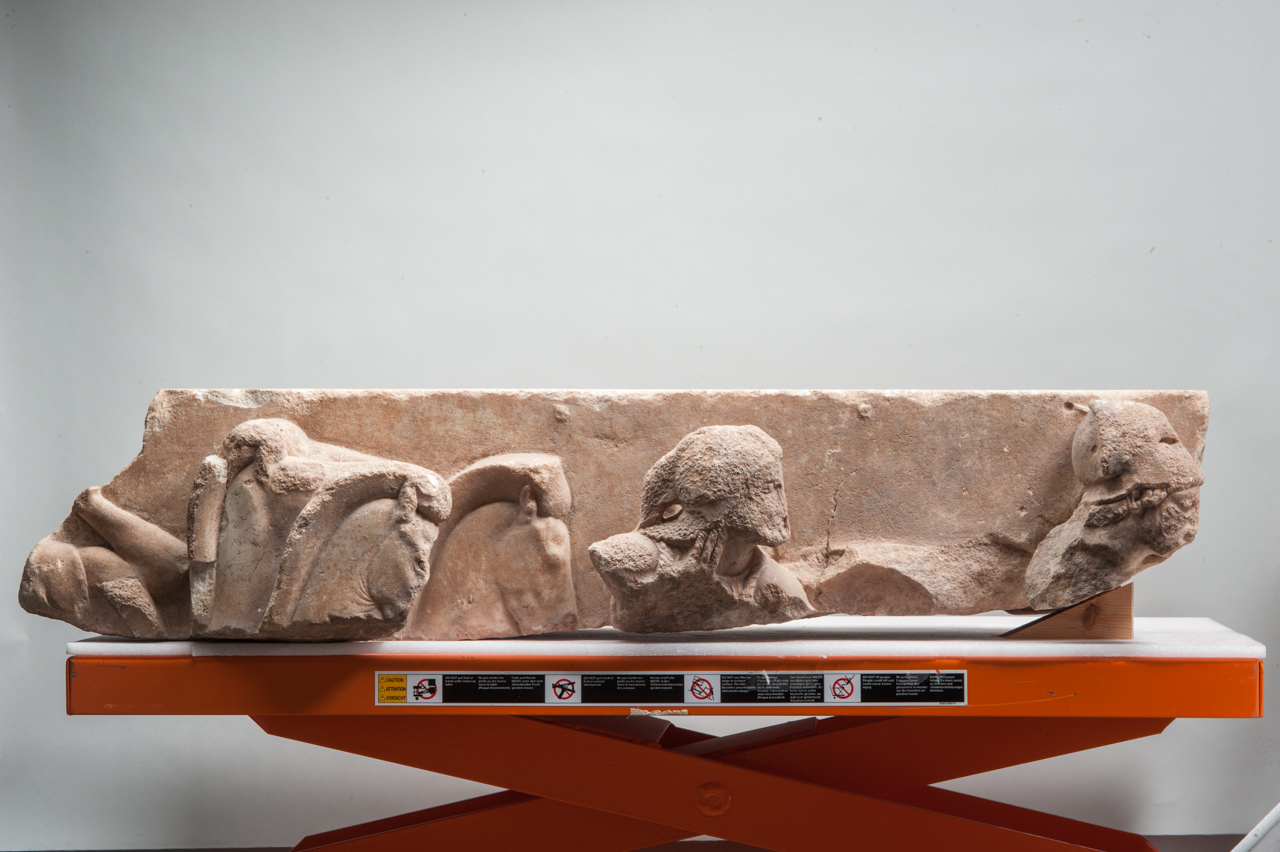
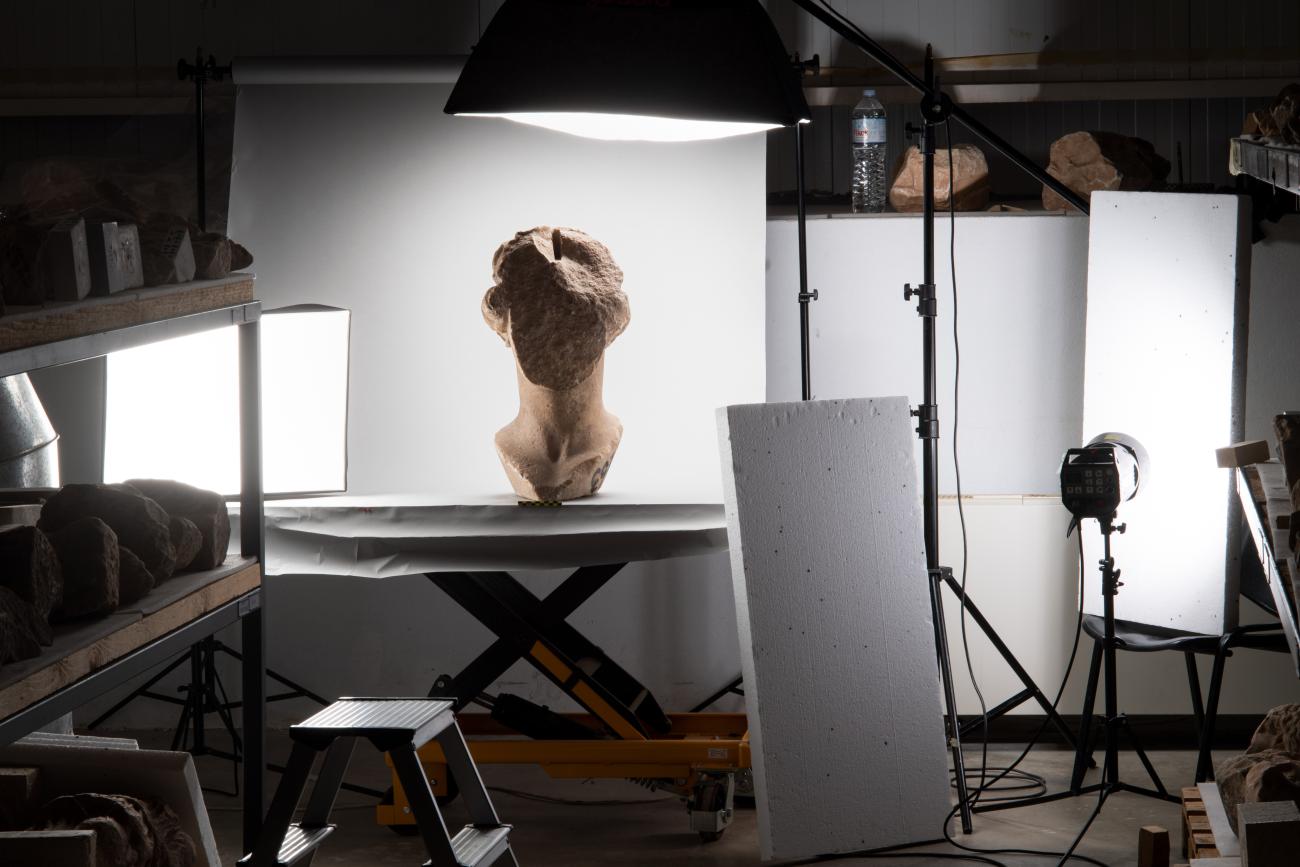
The project aims to continue the study and analysis of Delphi's stone sculpture fragments, following the publication of a synthesis volume in 2022 in the Delphi Excavations collection.
We are also continuing to prepare monographs on certain sculptural ensembles, as well as inventorying, recoiling and updating the database. The project exploits a primary source of documentation, the stone sculptures of Delphi, to propose detailed studies that will lead to historical reflections on the evolution of the sanctuary, the development of sculptural craftsmanship in ancient Greece, stone sourcing processes and circulation networks in the Mediterranean based on Delphic examples.
The program has three main objectives:
- Continuing the work of tidying up, recoiling and making works available: updating the FileMaker database on sculptures (2143 numbers); hosting an adapted version by the EFA and making the database available online.
- Case studies: manuscripts on the Column of the Dancers (J.-L. Martinez), on the Delphic Couroi (H. Aurigny), study of limestone sculpture with analysis and sampling.
- Training: an on-site doctoral seminar was held in spring 2023.
Scientific managers
- Hélène Aurigny (Aix-Marseille Université)
- Rachet Nouet (University of Strasbourg)
Institute laboratory involved
- Center Camille Jullian (CCJ)
Partner institutions and teams
- French School of Athens
- Ephorate of Antiquities of Phocis
- University of Strasbourg