
Our ambition is to train Mediterranean junior researchers through and for research
The Institute for Mediterranean Archaeology brings together 4 faculties and 2 doctoral schools of Aix-Marseille Université, thus forming a community of around 100 Master’s students and 45 doctoral students enrolled in its disciplines. Its aim is to provide training in and through research.
Our actions
- Four master’s programmes and a degree through international partnership
- Field schools and host sites in France and abroad
- Practical courses and workshops in the field and in the laboratory
- Support for interdisciplinary theses
- A doctoral training programme under construction
- Mobility between Mediterranean institutions and regions
- Closer links with the socio-economic world
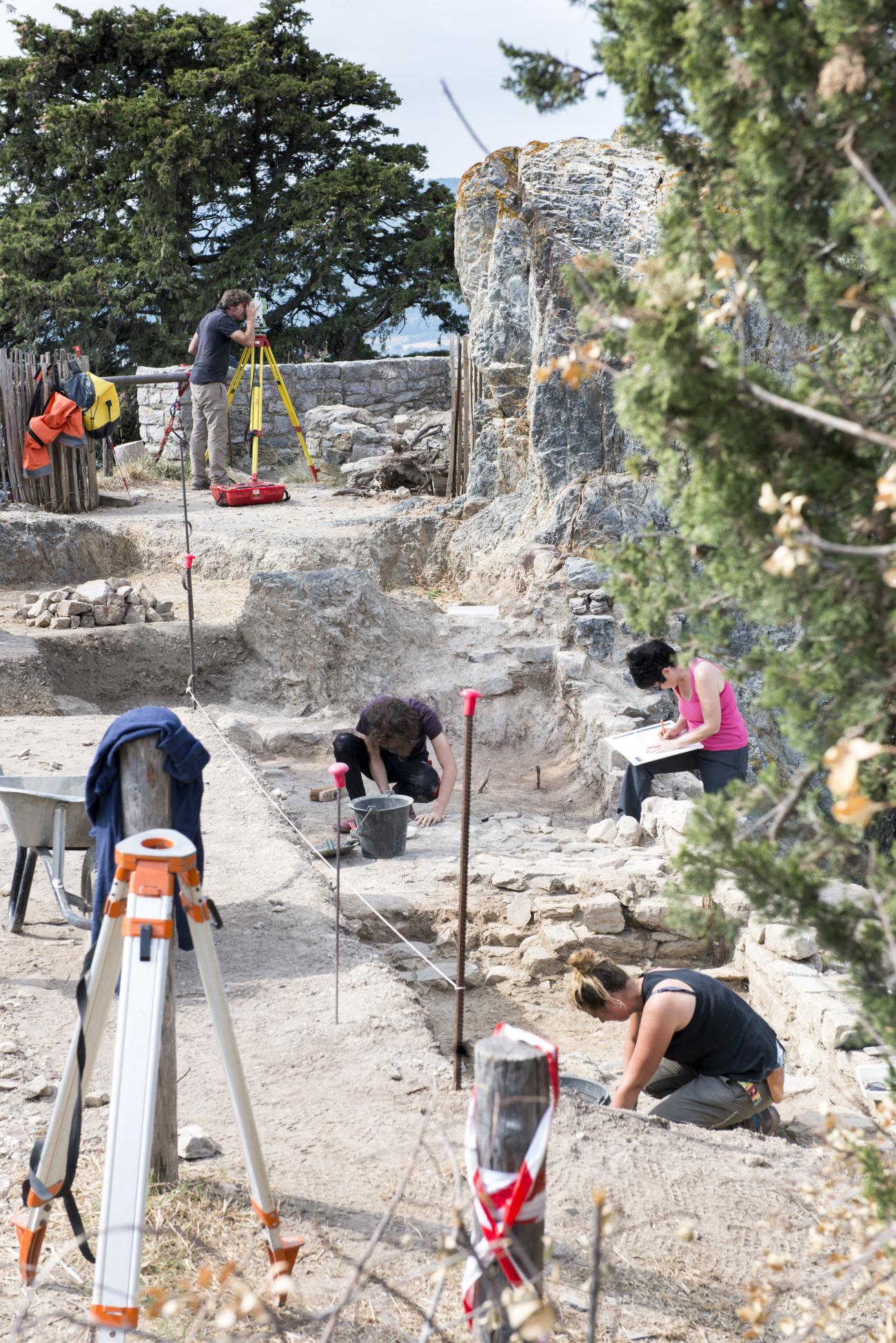
Master’s level training
Initial training programmes
Four master’s programmes run by Aix-Marseille Université faculties are affiliated to the institute. Its team is responsible for the operational coordination of practical training activities and organises the participation of academic and socio-economic experts in the courses. The institute also supports a degree through international partnership launched as part of the CIVIS alliance, European civic university.
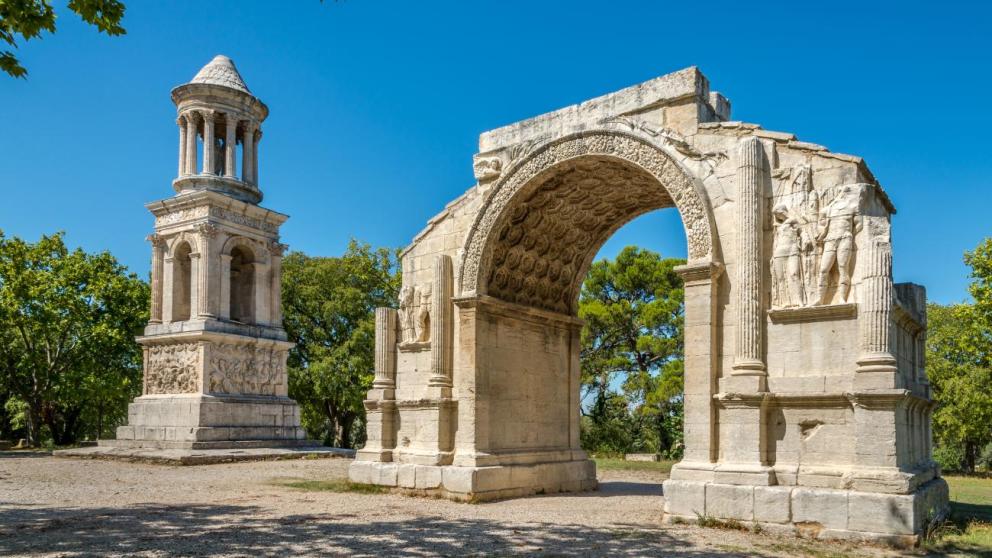
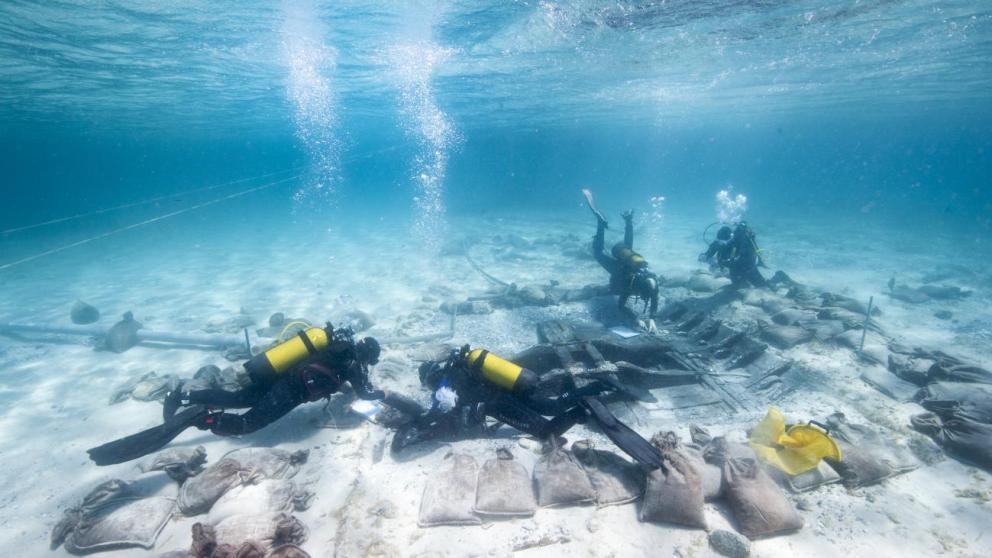
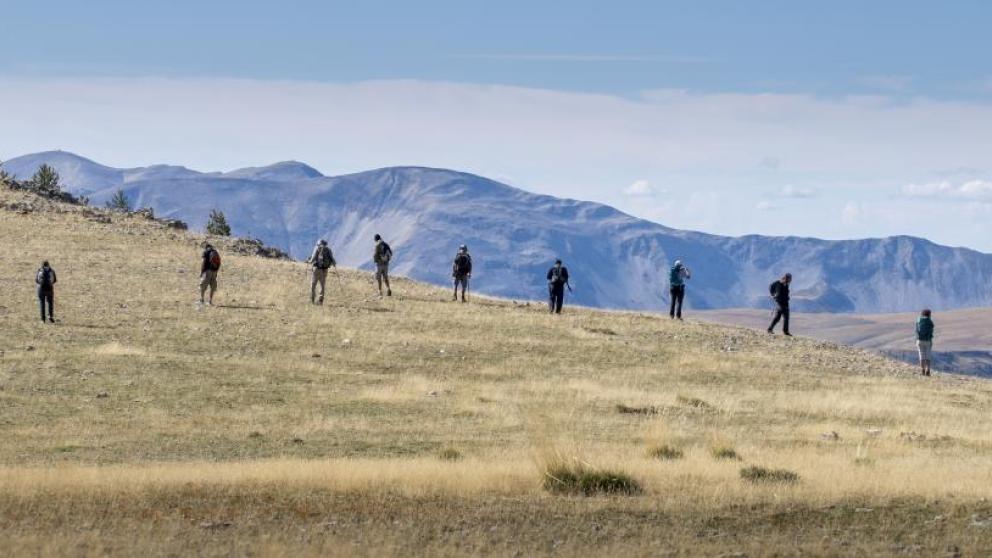
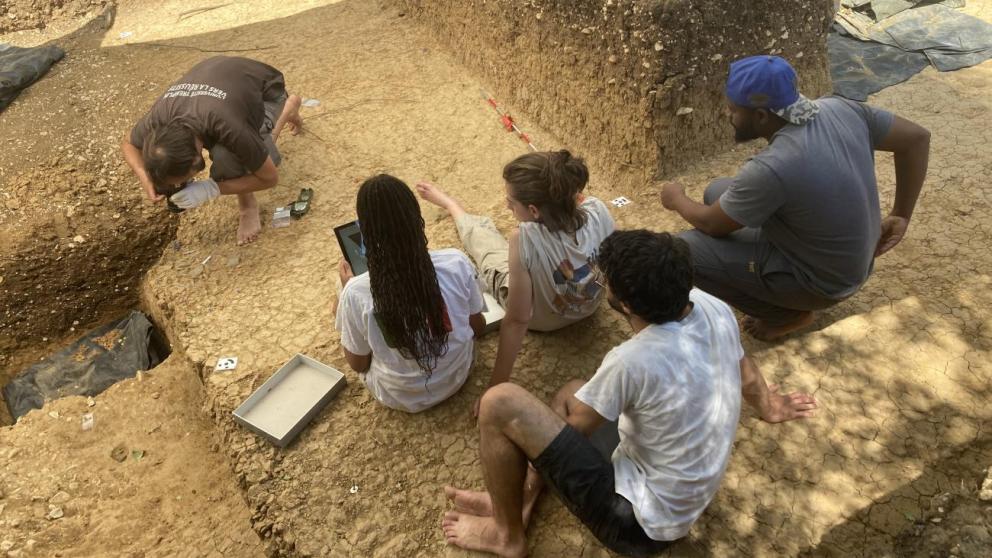
Initiated as part of the CIVIS alliance, European civic university, the Master’s programme in Palaeolithic archaeology is an International Partnership Diploma (IPD) jointly run by the Eberhard Karl University in Tübingen, La Sapienza University in Rome and Aix Marseille Université.
Complementing your training with practical experience
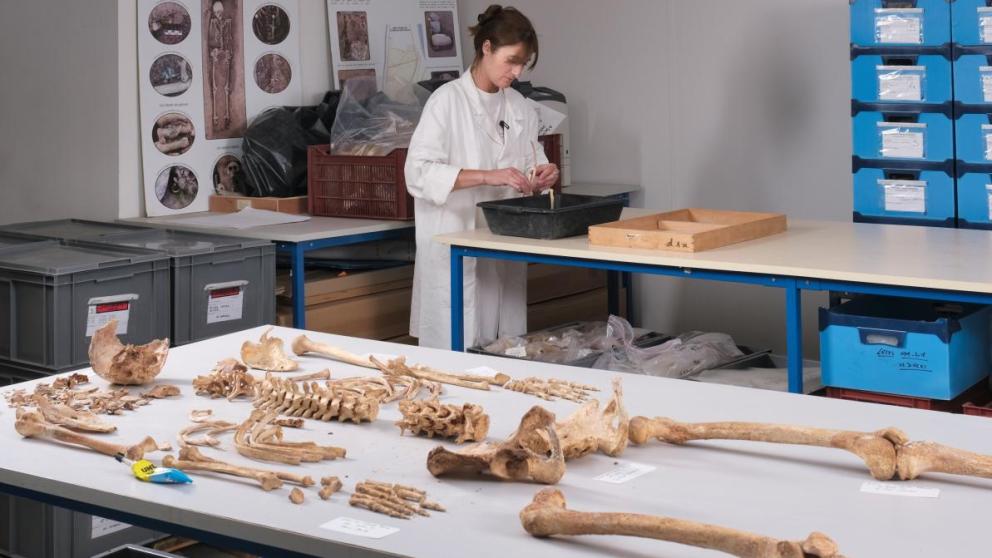
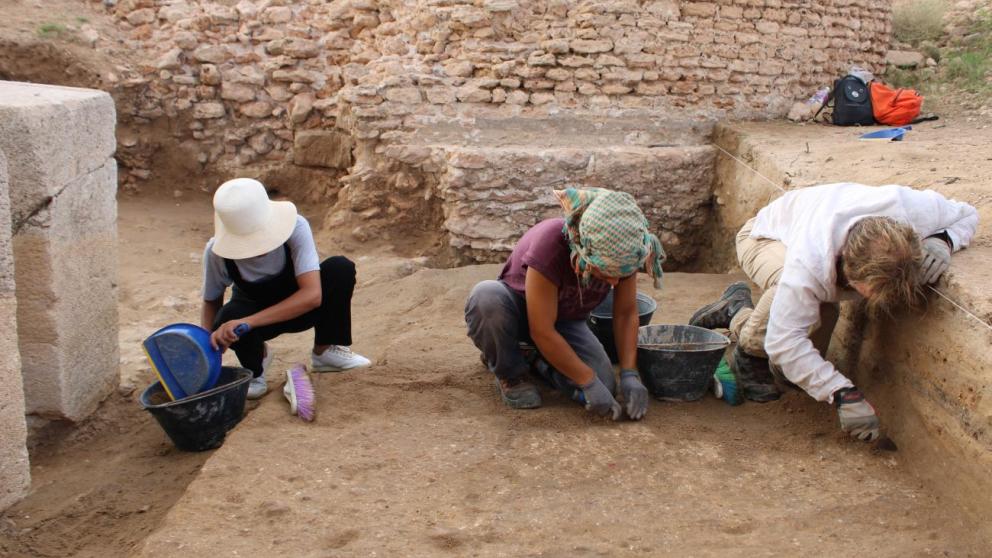
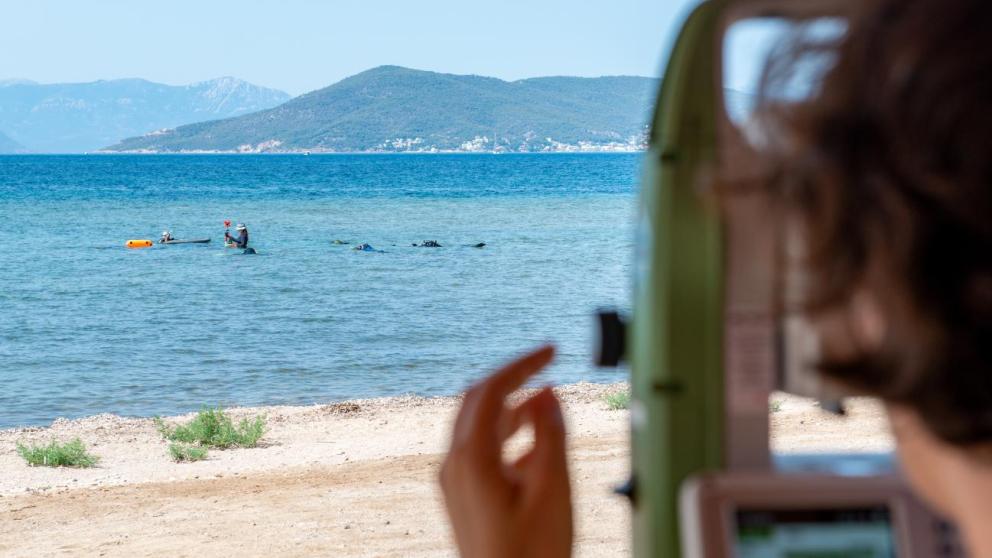
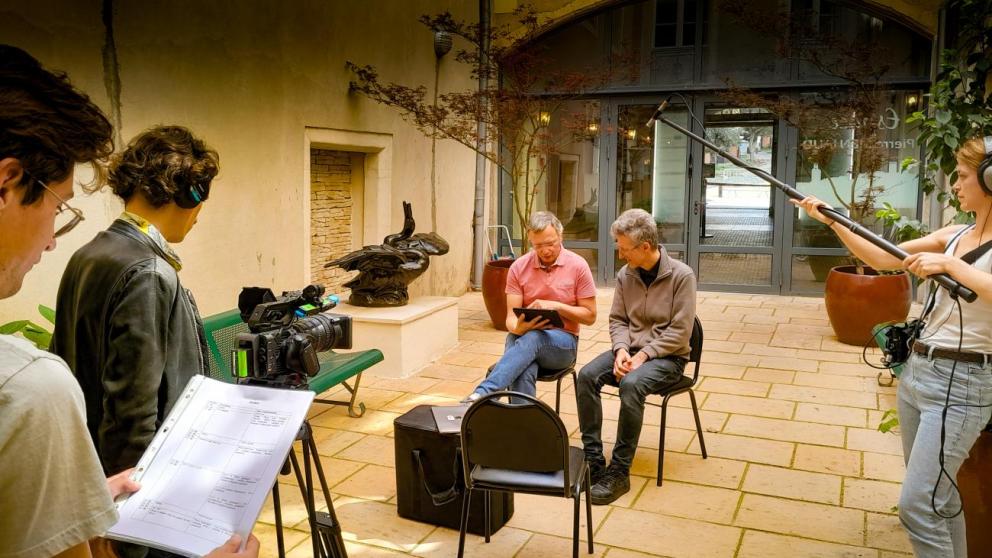
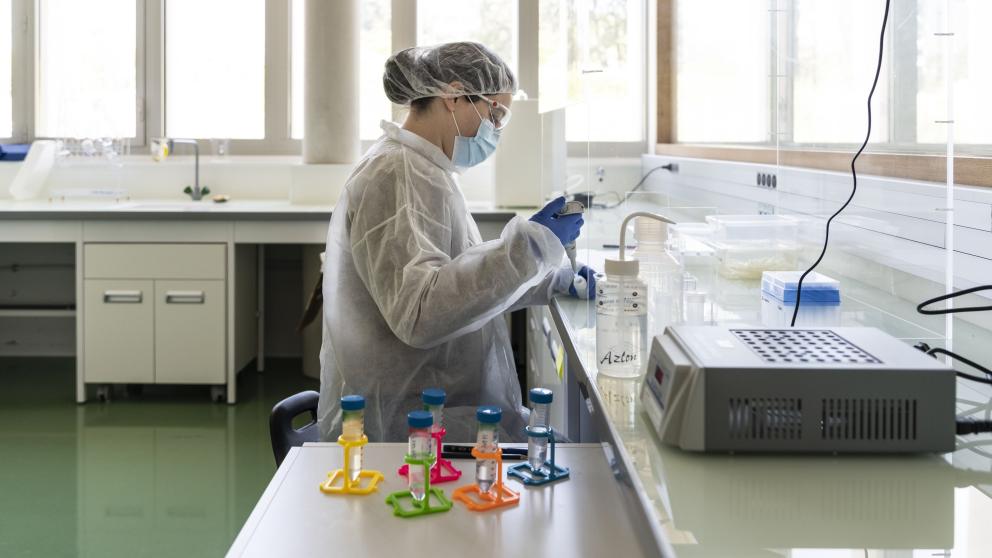
The institute encourages and supports students to complete their training through practical experience by taking part in research activities on archaeological sites and in laboratories. As such, it supports scientific teams accepting students, and supports or is involved in educational projects and platforms.
Doctoral training
The institute has an active doctoral training policy. Its team ensures that doctoral students are properly integrated into the research projects it supports. It also works with its partner doctoral schools to organise workshops to prepare students for the world of work. Together with the laboratories, it is currently preparing a PhD programme offering practical learning modules in research methods and tools, which will be available in 2025. Finally, it offers a complementary financial environment for certain thesis projects that are resolutely committed to an interdisciplinary approach.
Testimonials

Thanks to the Institute's "Mobilité vers les terrains méditerranéens" program, I took part in three excavations on the site of the Greek colony of Megara Hyblaea, in Sicily, to build up my corpus of study and prepare my Master's thesis. It was an excellent opportunity to put into practice the theoretical knowledge I had acquired at university.

The Institute's "Environnement de thèses interdisciplinaires" (Interdisciplinary Thesis Environment) scheme enables me to manage my own budget, which is essential to the development of my doctoral research and the establishment of interdisciplinary scientific collaborations. It enabled me to take part in excavations at the Portel-Ouest Palaeolithic cave (Ariège) and to study osteological material at the Tautavel European Prehistory Centre.