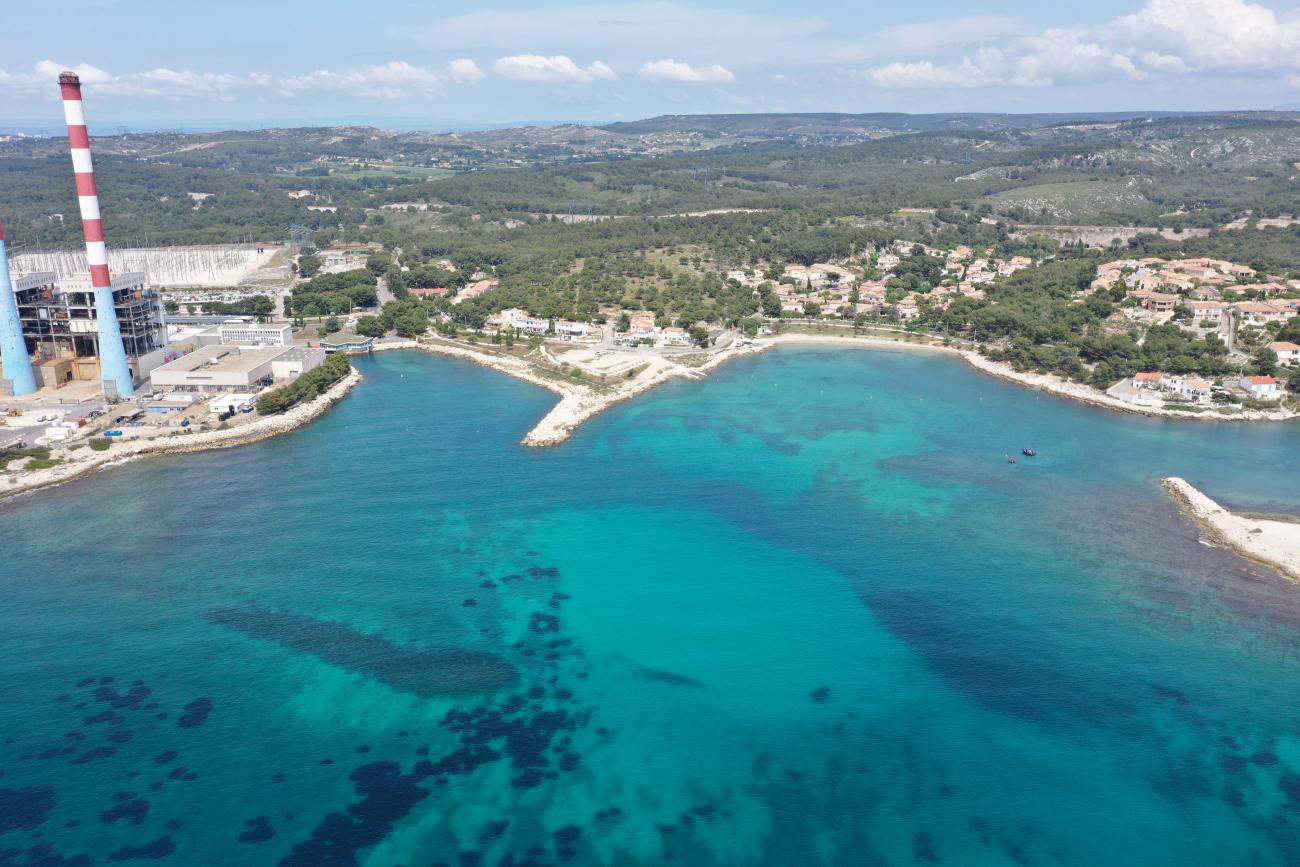
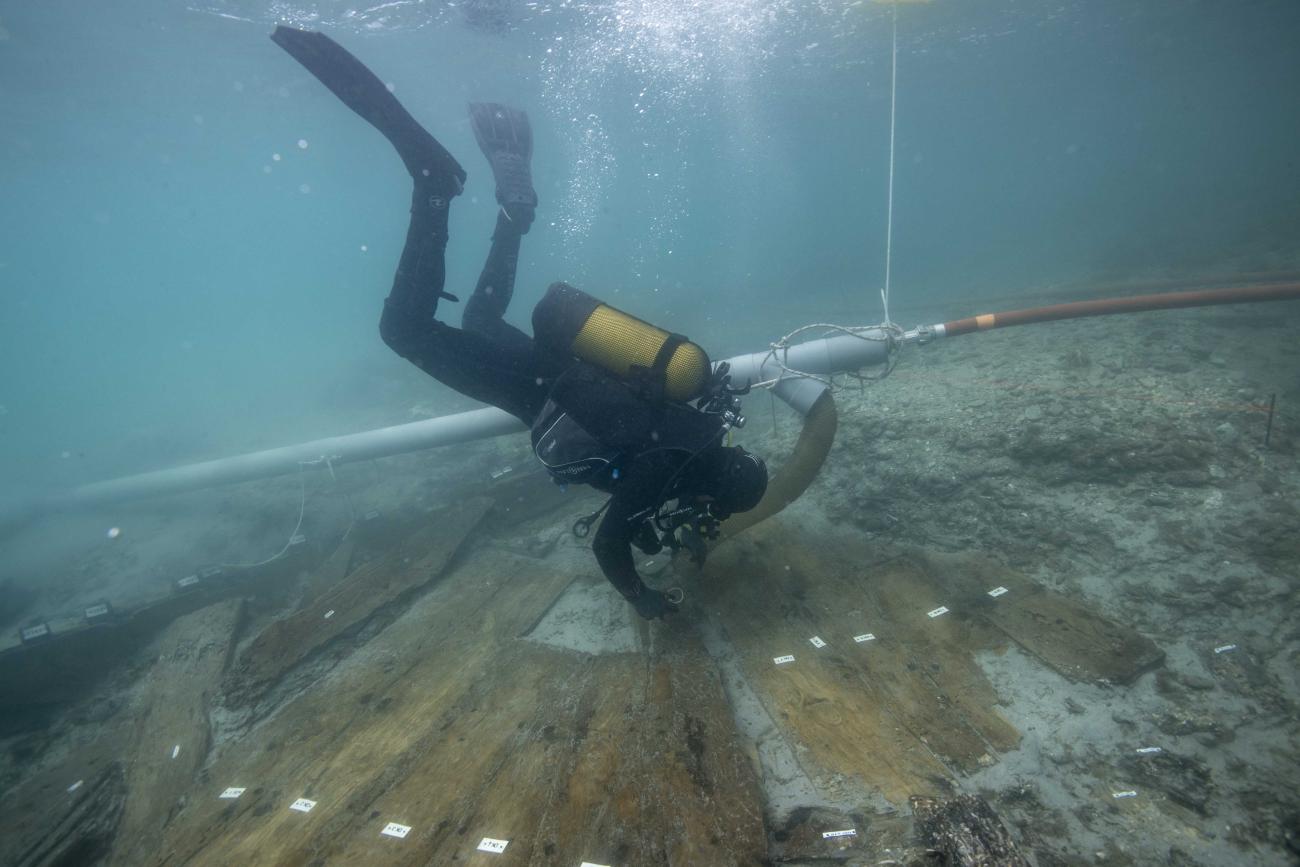
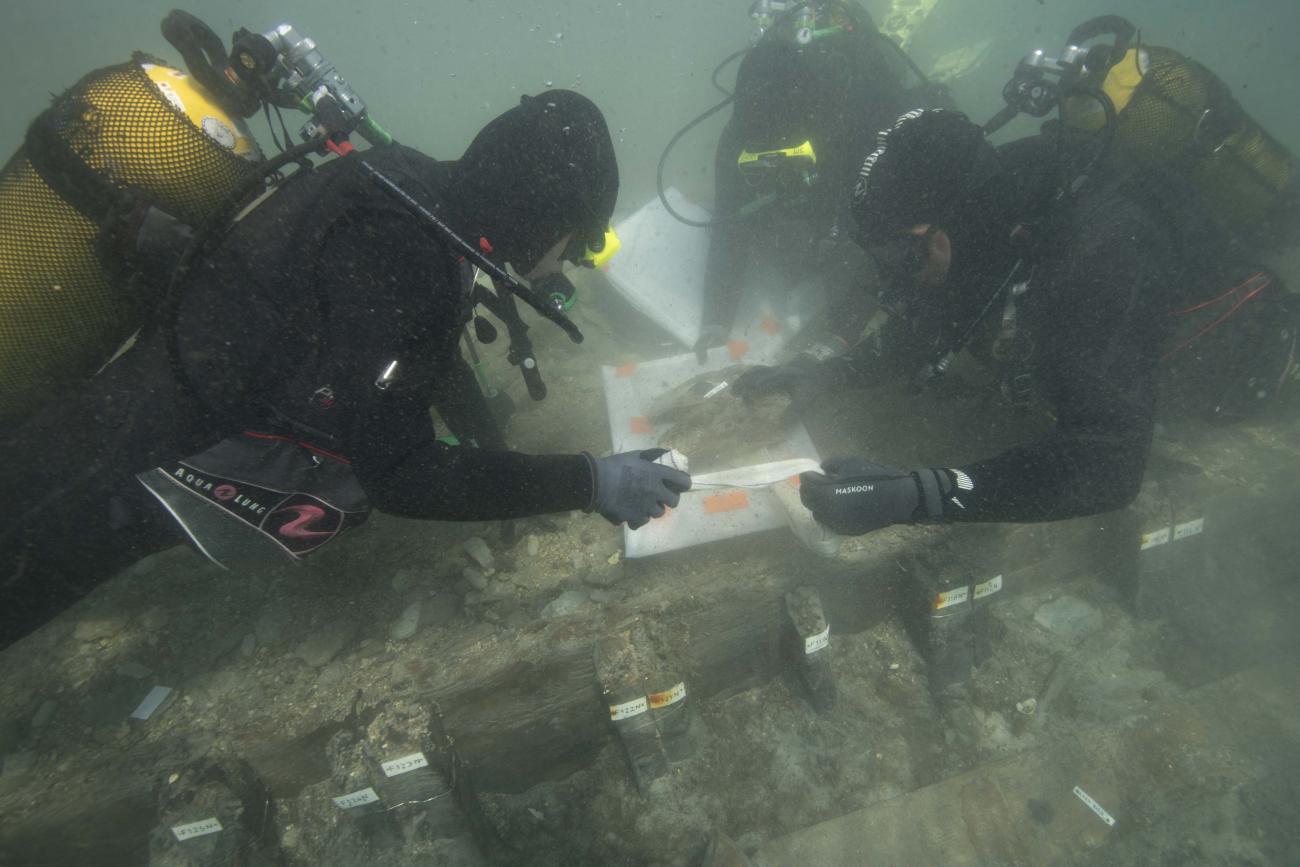
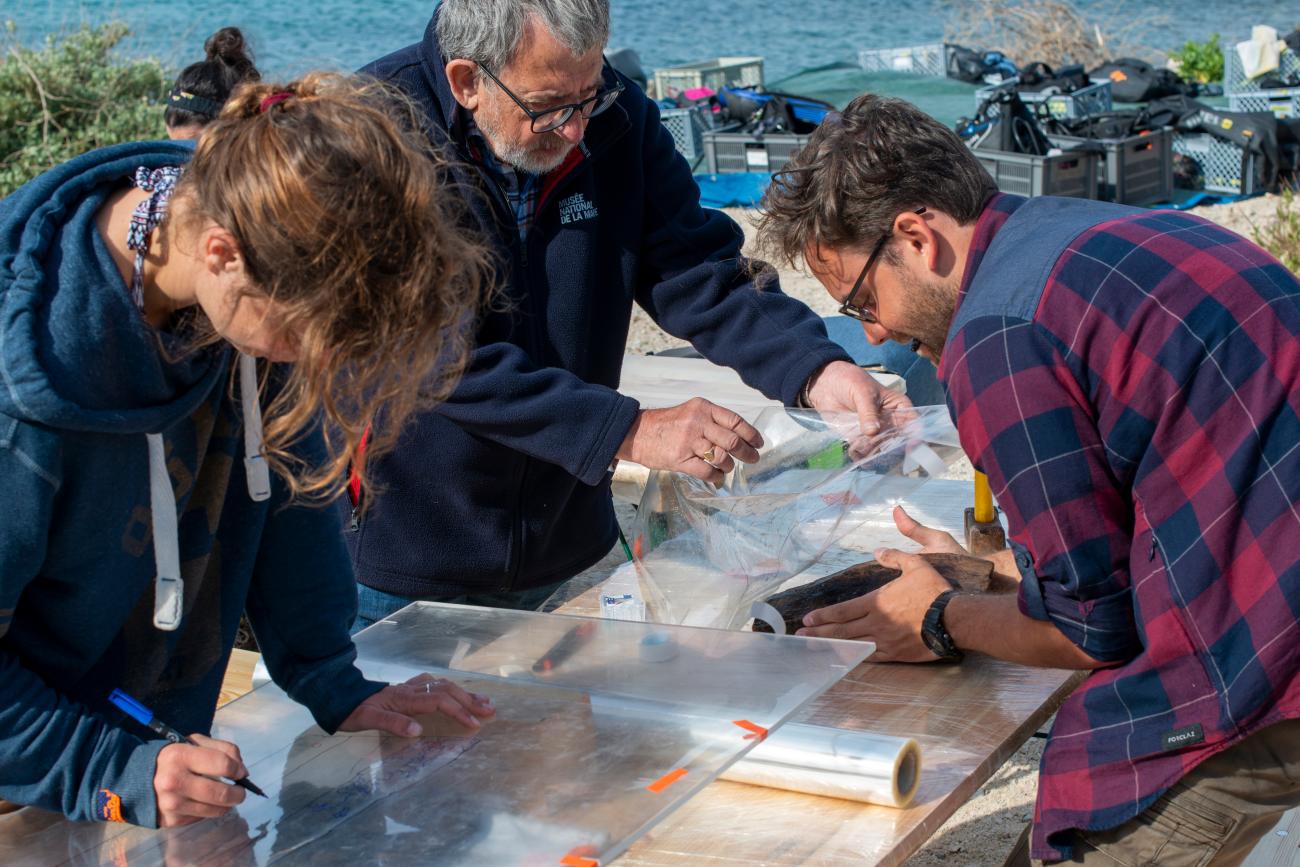
Located in Martigues (Bouches-du-Rhône) in the Laurons cove, the modern wreck Laurons XI has been the subject of a joint excavation program by several institutional and scientific partners since 2021. Shallow, close to shore and remarkably well-preserved, this wreck is an ideal setting for the annual training camp organized by students enrolled in the second year of Aix-Marseille Université's Master's program in maritime and coastal archaeology.
Anse des Laurons, a site of great archaeological potential
Documented since the 1970s by Serge Ximénès and Martine Moerman (Groupe de recherche archéologique sous-marine), then by Jean-Marie Gassend (CNRS), the Anse des Laurons offers a particularly rich archaeological potential. Nine wrecks have already been located: four are ancient (1st century BC - 4th century AD) and five are undated or contemporary. A large Roman villa (1st century B.C. - 5th century A.D.) is also located on the immediate coastline.
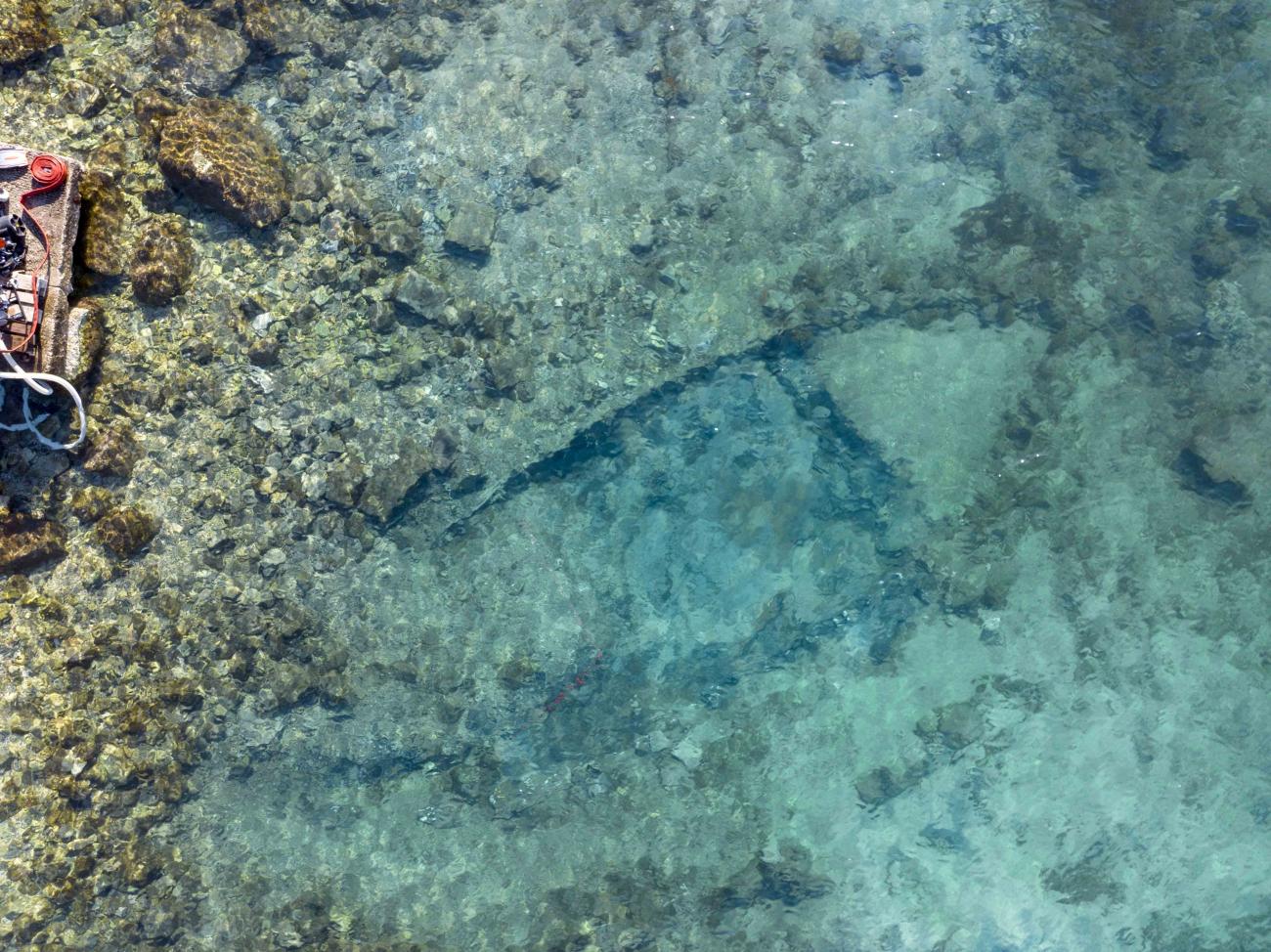
In previous years, several submerged structures have also been excavated as part of the teaching activities of the Master of Maritime and Coastal Archaeology (MoMArch). These include a dump and ancient port facilities (breakwater and jetty). In this context, a caisson-shaped dry dock ("quai E"), presumed to be antique since the 1980s, was also re-studied and finally dated to the modern period (post-1650) by a series of 14Canalyses.
The Laurons XI wreck
The Laurons XI wreck was discovered and declared in 2010 during a survey led by Bertrand Maillet (Ampevas association), very close to the shore and less than 2 metres deep, in the immediate vicinity of Quai E, but without any connection being established with it.
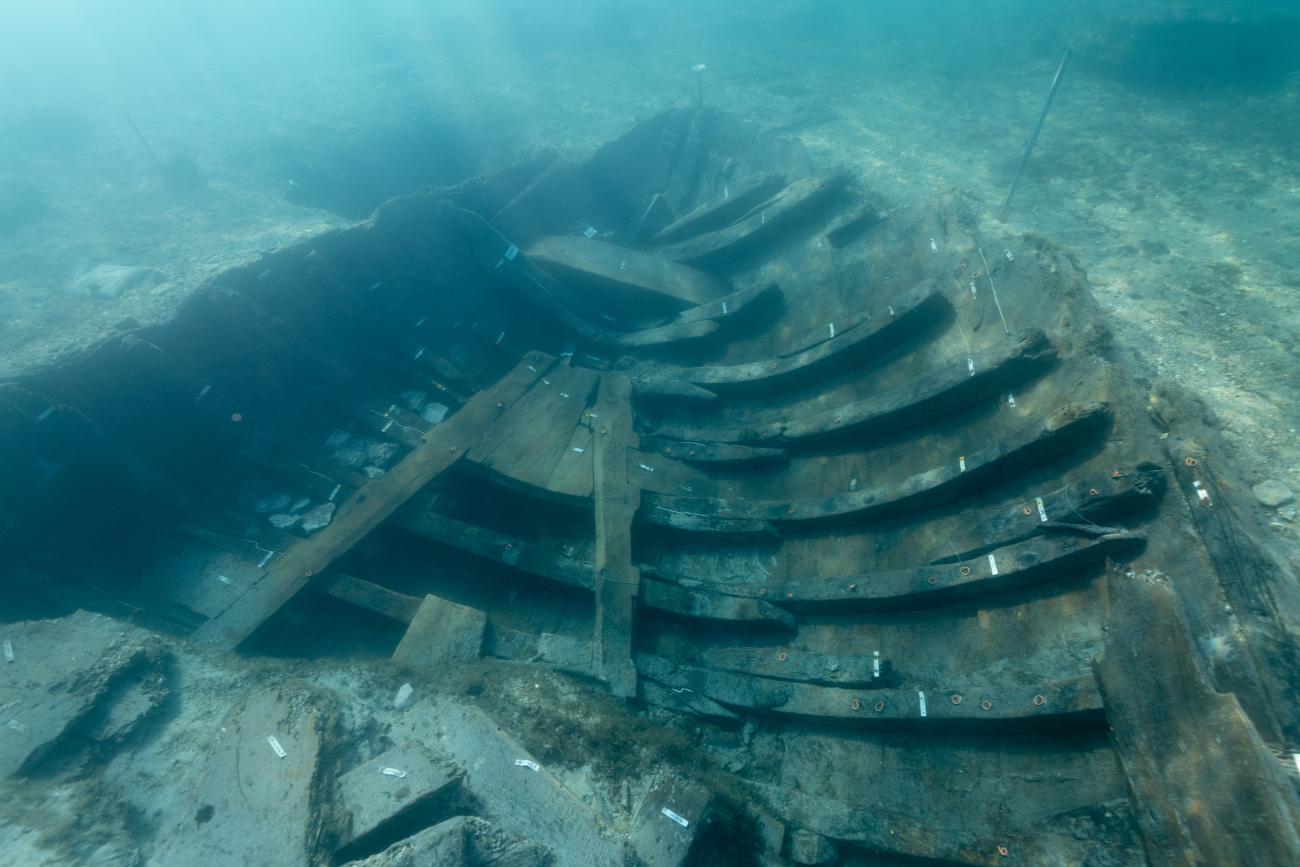
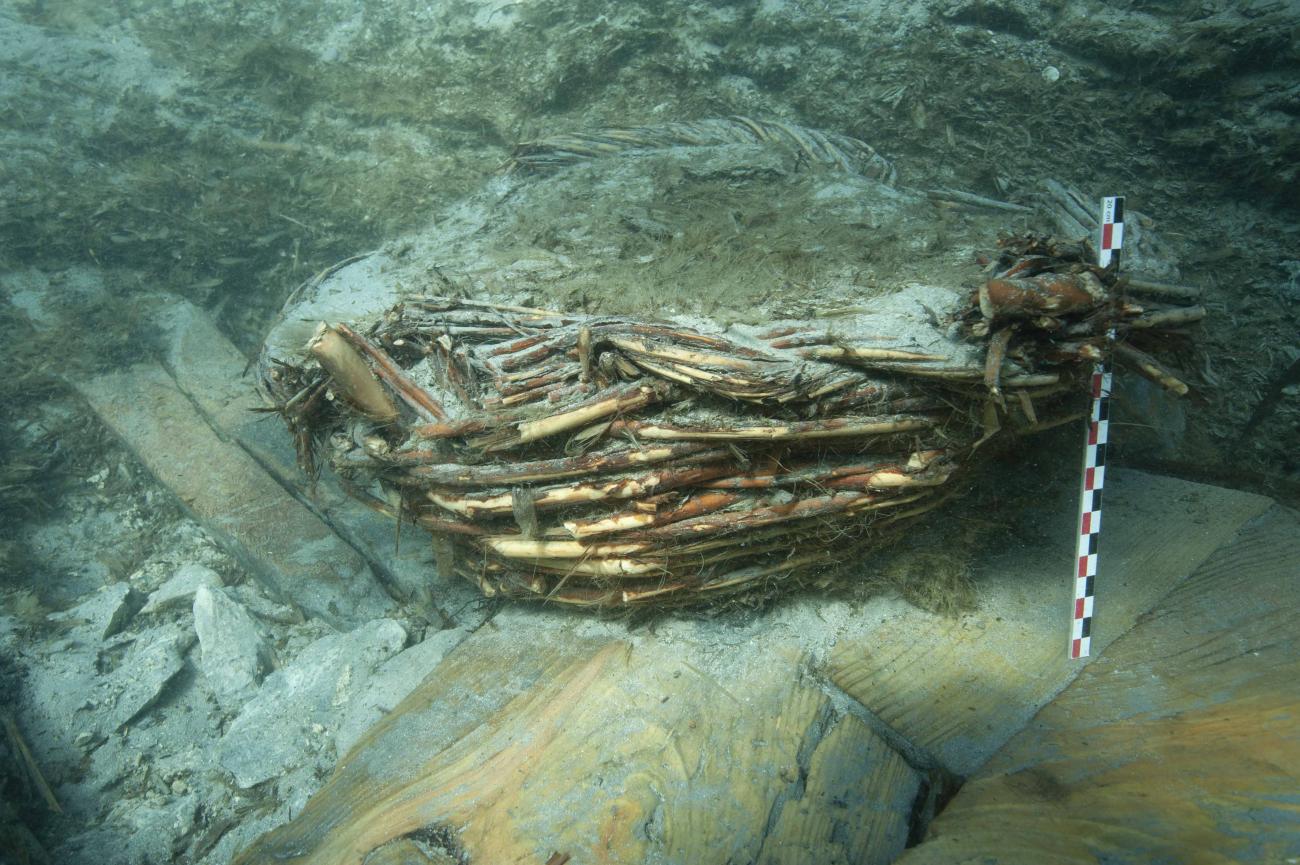
The second-year MoMArch Master's project, dedicated since 2021 to Laurons XI, quickly revealed the exceptional nature of this wreck, both in terms of its state of preservation and its scientific interest, with dates expressing a high range around 1630. With a length of around 12 m and a width of around 4 m, the associated furnishings, in particular a basket of woven twigs - restored with the financial support of Martigues town council - and a wooden mallet of impressive dimensions (handle length: 83.3 cm, head width: 18 cm) suggest that the boat had fishing-related functions. By comparison with known 20th-century examples, the basket could have been used to store fishing lines or fish. As for the mallet, its dimensions suggest that it was used for specific tasks, such as driving fixed fishing stakes. Such installations seem to have existed in this area according to the archives, and the numerous piles discovered in the vicinity of the wreck may support this theory.
Naval architecture also bears witness to the wreck's interest. The number of known analogues for the 15th-17th centuries in Provence is small, and very little technical and textual data is available for these small coastal boats associated with a regional and coastal context, so the diversity of their assemblies remains poorly understood. Laurons 11's exceptional state of preservation makes it a veritable laboratory for the study of shipbuilding methods and traditions of the period. The preserved remains show a freeboard assembly of the planking, attached to the frames exclusively with iron carvels, in keeping with Mediterranean assembly traditions. The interpretation also indicates that construction was carried out according to the "frame first" principle, i.e., the frames were the first elements to be fitted. A significant part of the deck has also been preserved, showing the presence of hatches used for loading and storing equipment or small cargo. Excavation of the areas beneath the deck remains to be planned, but it is hoped that more on-board equipment will be found, enabling us to better determine the nature and function of the vessel.
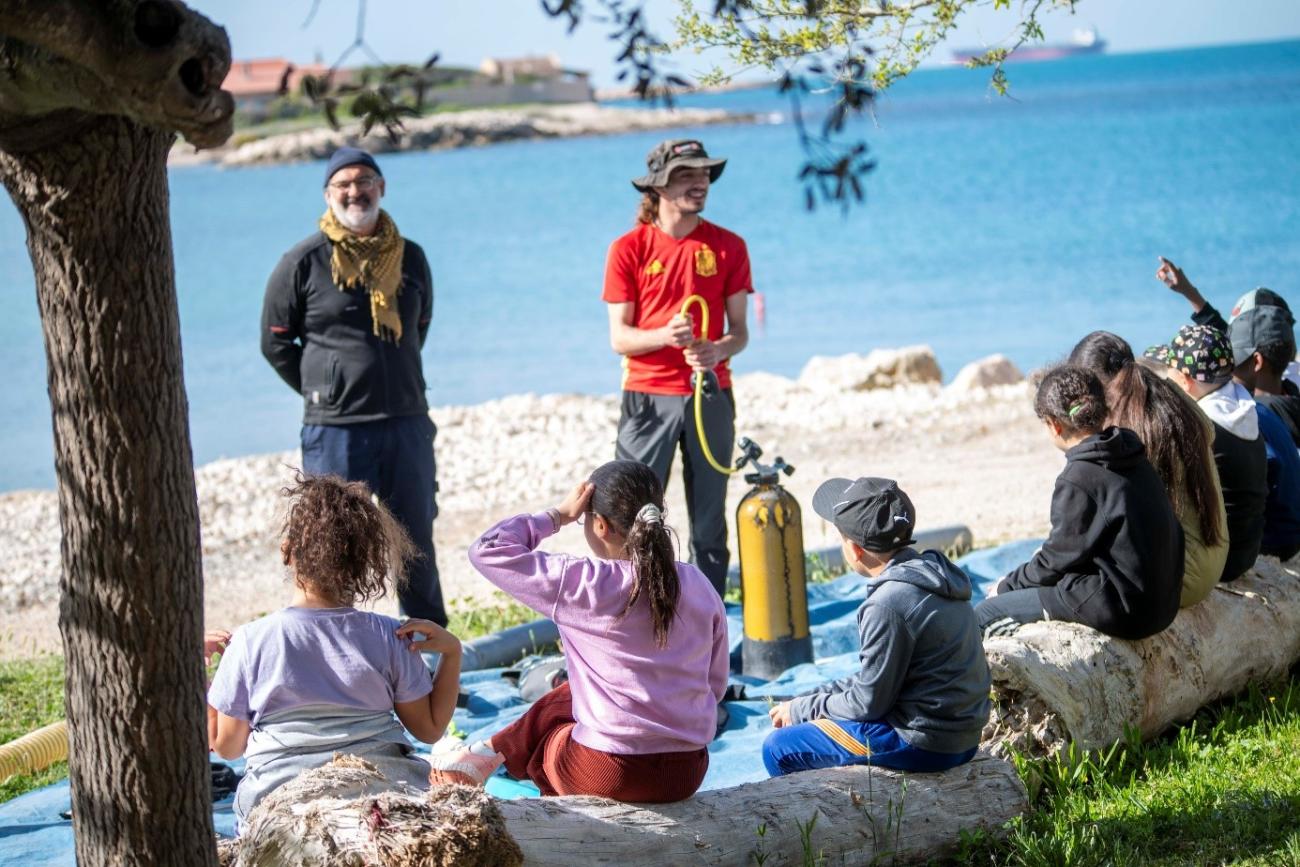
In parallel with the excavation of the wreck, the team has set up mediation activities for the general public, particularly schoolchildren, from 2023 onwards, in partnership with Martigues town council, to raise awareness of the rich local coastal heritage.
The continuation of the operation offers promising prospects for a better understanding of the function of the boat and for enriching our knowledge of coastal naval architecture in Provence in the modern period. These scientific activities also play a key role in training the next generation of maritime archaeologists through the MoMArch Master's program.
Scientific managers
- Marine Sadania (Ministry of Culture - Drassm - LA3M)
- Eric Rieth (CNRS - LaMOP)
Institute laboratories involved
- Medieval and Modern Mediterranean Archaeology Laboratory (LA3M)
- Center Camille Jullian (CCJ)
- Mediterranean Institute of Biodiversity and Marine and Continental Ecology (IMBE)
Partner institutions and teams
- Département des recherches archéologiques subaquatiques et sous-marines (French Ministry of Culture)
- Laboratoire de médiévistique occidentale (Paris)
- Société Ipso Facto (Marseille)
- Martigues city archaeology department