The FOSPHORA project was labeled by the A*Midex Foundation as part of the 2018 "Mediterranean" call for projects and began its activities in February 2020. It brings together a consortium of academic and non-academic players, in France, Italy and England, around the study of two ancient Roman ports, at Fos and Ostie-Portus, and heritage preservation.
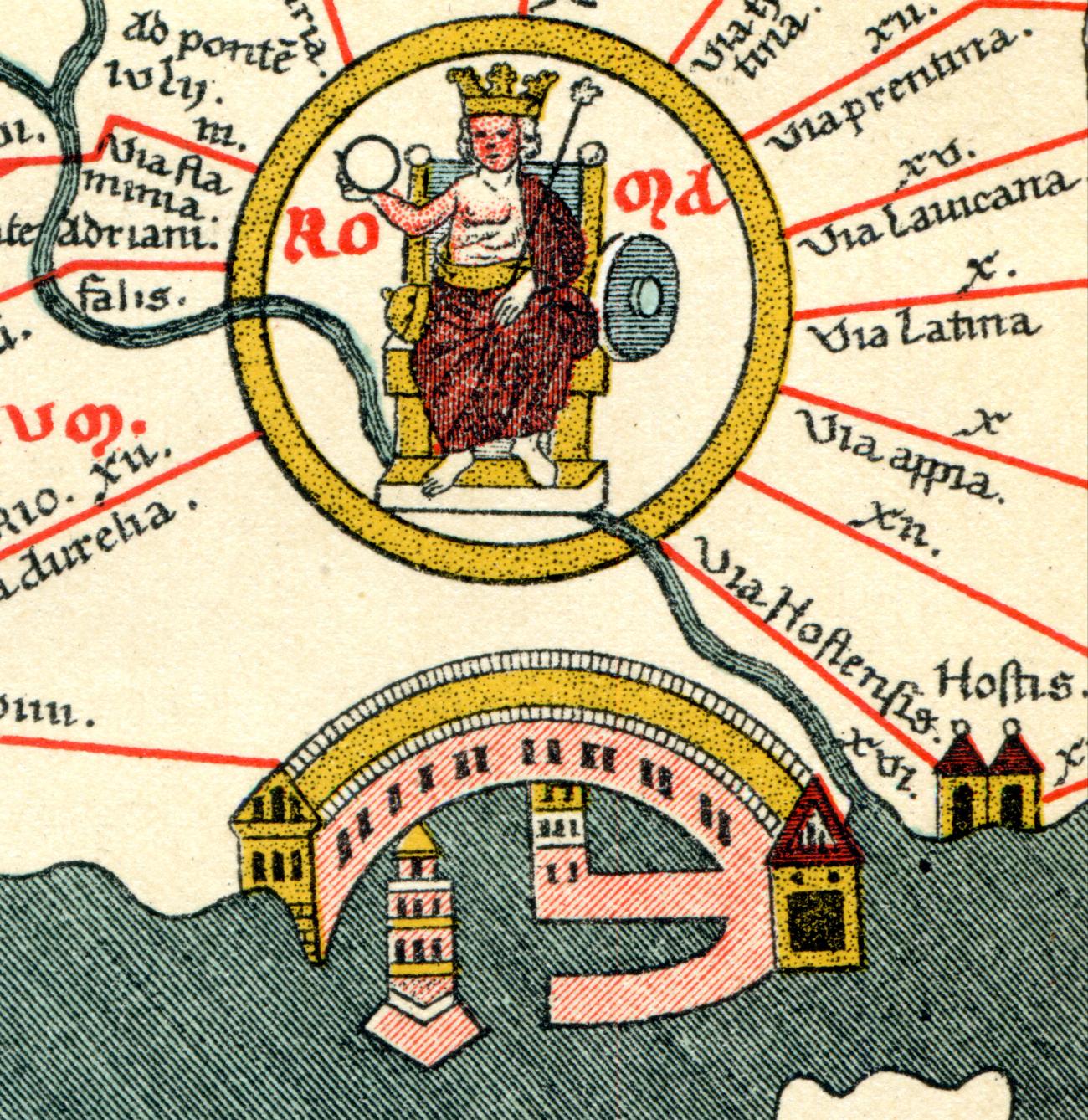
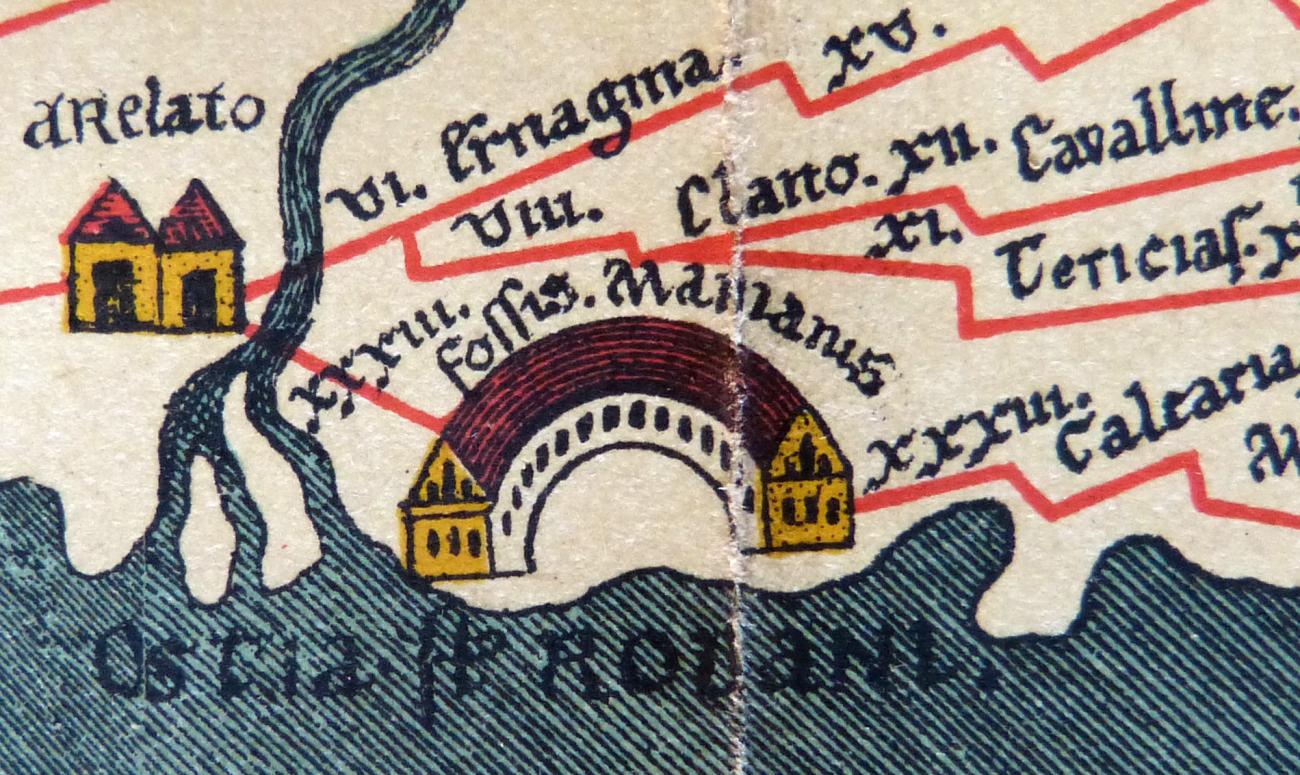
The aim of the "Fos-Ostie-Portus: Harbours of Roman Antiquity" project is to make a comparative study of the structures of two of the most important ports in the Roman Mediterranean: the Ostie-Portus complex, the port of Rome, and Fossae Marianae, the seaport of the city of Arles, whose remains are currently visible in very different forms.
On the one hand, the abundance of sources on Ostia-Portus makes it a laboratory for the study of ancient ports. The complexity of the imperial port calls for research into the circulation within it (on the breakwaters, the deep-water canal linking the basins). The wealth of documentation (inscriptions, archives) sheds light on the relationship between the city of Ostia and Portus, which depended on it. On the other hand, at Fos, despite the number of remains identified, the topography of the port area and the route of the canal linking it to the city of Arles are very poorly defined. The compilation of ancient cartographic documentation and the analysis of geomorphological cores are preliminary to the study of the complex's submarine, wetland and terrestrial contexts.
Comparison between the two sites and collaboration between the two teams working on these sites are at the heart of the project, with the ambition of improving our knowledge of the layout of the structures and the functioning of the ports in their natural and man-made environment. In doing so, it also aims to contribute to the protection and promotion of these areas by raising public awareness of the heritage issues they represent. The monitoring and enhancement of the natural and cultural heritage of these environments, through student training, virtual reconstructions and museological presentations, are planned in conjunction with the partners responsible for overseeing the sites.
The project brings together a large and varied consortium of French, Italian and British partners. On the French side, academic partners include the Centre Camille Jullian, Cerege and Telemme, as well as the École française de Rome, Inrap, Drassm and Ipso Facto. On the Italian and British side, the project involves the University of Rome - La Sapienza, particularly renowned in the field of classical studies, and the University of Southampton (UK), whose archaeology department has been awarded an ERC grant on Roman ports in the imperial period (2007-2013).
The project associates these academic partners with those involved in heritage management and enhancement, notably in France, the Métropole Aix-Marseille Provence (Territoire Istres Ouest Provence) and the Association Les Amis des Marais du Vigueirat, which manages the protected natural area in the Camargue; and in Italy, the Parco archeologico di Ostia antica, responsible for the sites of Ostia and Portus. The FOSPHORA project should also encourage dialogue between French and Italian partners responsible for safeguarding and promoting heritage sites and assets in both areas, as the environment of both sites presents a series of similar issues.
Funding organization
- Aix-Marseille Université - Amidex Foundation
Funding scheme
- AAP Internationally 2018
Project timetable
- Start-up in January 2020
Scientific manager
- Marie-Brigitte Carre (CNRS - CCJ)
Institute laboratories involved
- Center Camille Jullian (CCJ)
- European Center for Research and Education in Environmental Geosciences (CEREGE)
Partner teams and institutions
- Laboratoire Temps, espaces, langages, Europe méridionale - Méditerranée (TELEMMe)
- Università degli Studi di Roma - La Sapienza
- University of Southampton
- French School of Rome
- Institut national de recherches archéologiques préventives (National Institute for Preventive Archaeological Research)
- Département des recherches archéologiques subaquatiques et sous-marines (DRASSM - French Ministry of Culture)
- Société Ipso Facto (Marseille)
- Métropole Aix-Marseille Provence (Territoire Istres Ouest Provence)
- Association Les Amis des Marais du Vigueirat
- Parco archeologico di Ostia antica