The PATHWAy project was labeled by the A*Midex Foundation as part of the 2018 "Internationally" call for projects and began operations in January 2020. This project is associated with the University of York's project of the same name (Department of Archaeology) and funded by The Arts and Humanities Research Council (AHRC).
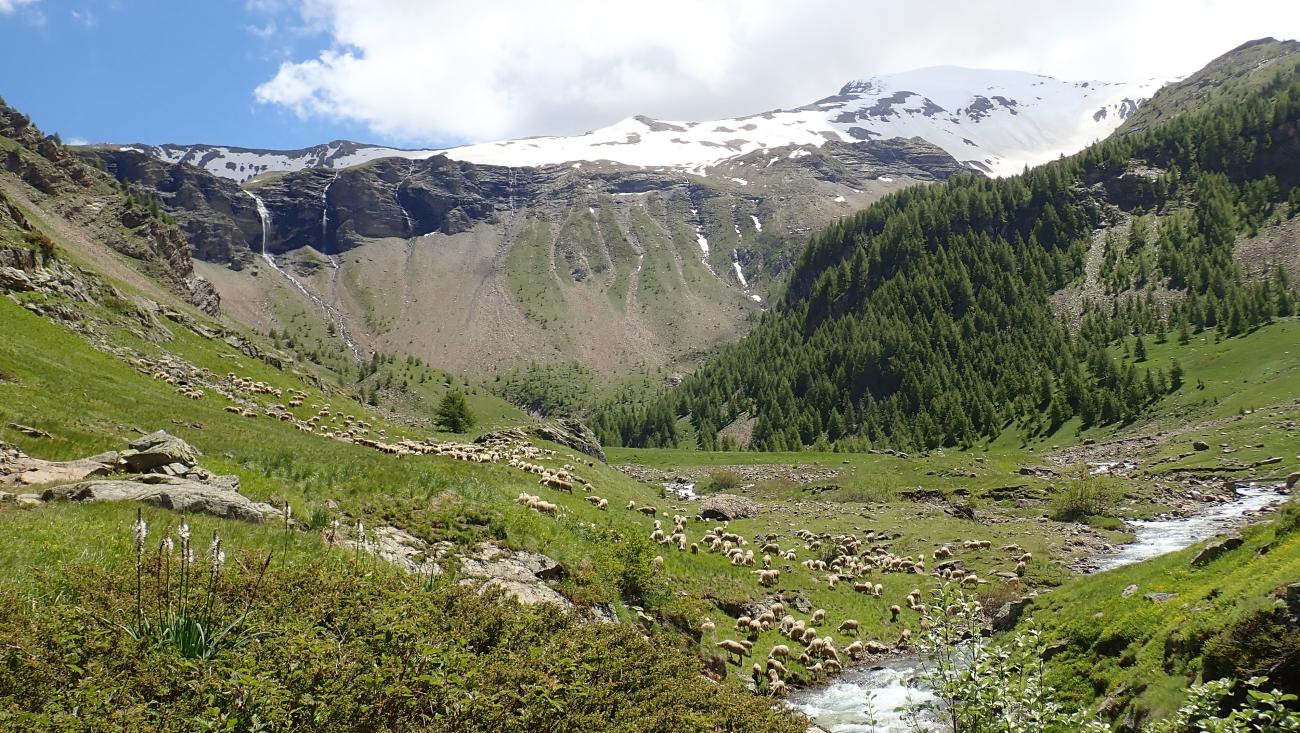
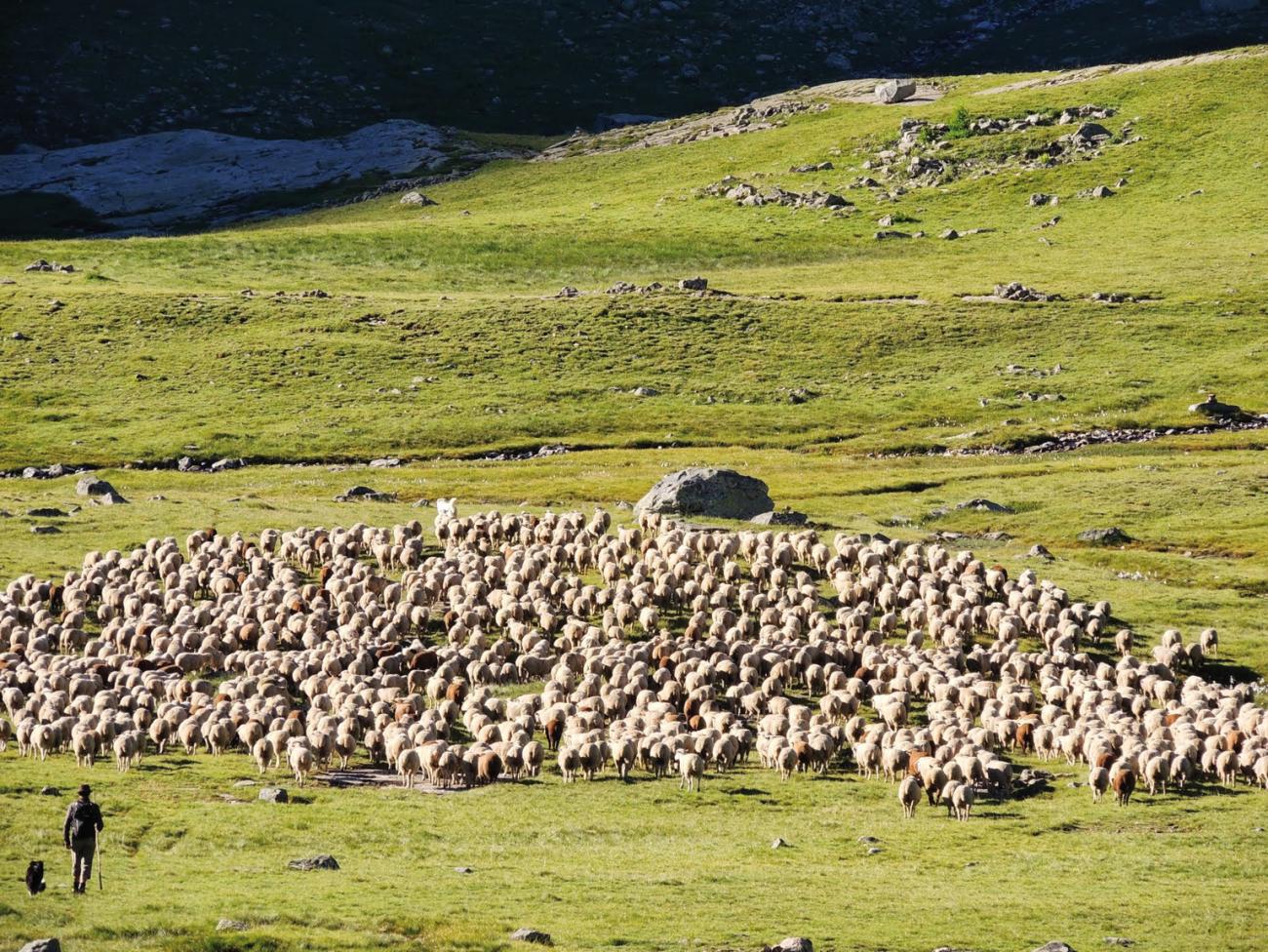
The project "Protohistoric to Medieval pastoralism in the Western Alps: The origins and development of long-distance transhumance" focuses on long-distance transhumance, its emergence and development from the Iron Age to the Middle Ages. Transhumance, the seasonal movement of herds along migratory routes in the Mediterranean and the Alps, was inscribed on the Representative List of the Intangible Cultural Heritage of Humanity in December 2019. The project's historical approach will enable us to characterize the composition and structure of domestic herds, and to understand their seasonal movements, in the Western Alps (France, Italy and Switzerland). PATHWAy will use archaeozoological studies and specific analyses of caprine-bovine teeth and bones from archaeological sites (strontium and oxygen isotope analyses) to determine the origin and mobility of herds. The study of animal bones collected in significant quantities during recent archaeological excavations in the French Alps and lower Provence will enable us to understand the role of urban centers in the alpine pastoral economy, and to express the production/consumption patterns of protohistoric and historic societies. In addition, coring of alpine lakes will clarify the impact of pastoralism on high-altitude landscapes, in terms of erosion, changes in vegetation, etc.
PATHWAy brings together a complementary consortium of specialized research teams from the Aix-Marseille research site: the Centre Camille Jullian (CCJ) for its expertise in man/environment relations, the Alpine arc and agro-pastoral practices; the Laboratoire Méditerranéen de Préhistoire Europe Afrique (Lampea) and the Laboratoire d'archéologie médiévale et moderne en Méditerranée (LA3M), which will conduct the archaeozoological studies. Two other French laboratories are contributing to the project: Edytem in Savoie, for coring Alpine lakes, and Traces in Toulouse, for its expertise in medieval agricultural practices.
PATHWAy is also the fruit of a long tradition of scientific cooperation between the Centre Camille Jullian and the Department of Archaeology at the University of York, focusing on common issues linked to the history of settlement and landscape dynamics in medium and high mountain areas and the Mediterranean basin. The University of York contributes its expertise in landscape archaeology, and the University of Southampton in bioarchaeology. This project strengthens an already solid scientific collaboration, which in 2019 led to an Internationally Agreed Research Cooperation Agreement.
Funding organization
- Aix-Marseille Université - Amidex Foundation
Funding scheme
- AAP Internationally 2018
Project timetable
- Start-up in January 2020
Scientific managers
- Florence Mocci (CNRS - CCJ)
- Pierre Magniez (AMU - LAMPEA)
- Kevin Walsh (University of York)
- Alistair Pike (University of Southampton)
- David Orton (University of York)
Institute laboratories involved
- Center Camille Jullian
- Mediterranean Laboratory of Prehistory Europe Africa
- Mediterranean Medieval and Modern Archaeology Laboratory
Partner teams and institutions
- University of York
- University of Southampton
- Mountain Environments, Dynamics and Territories Laboratory (Edytem - Chambéry)
- Laboratoire Travaux et recherches archéologiques sur les cultures, les espaces et les sociétés (Traces - Toulouse)