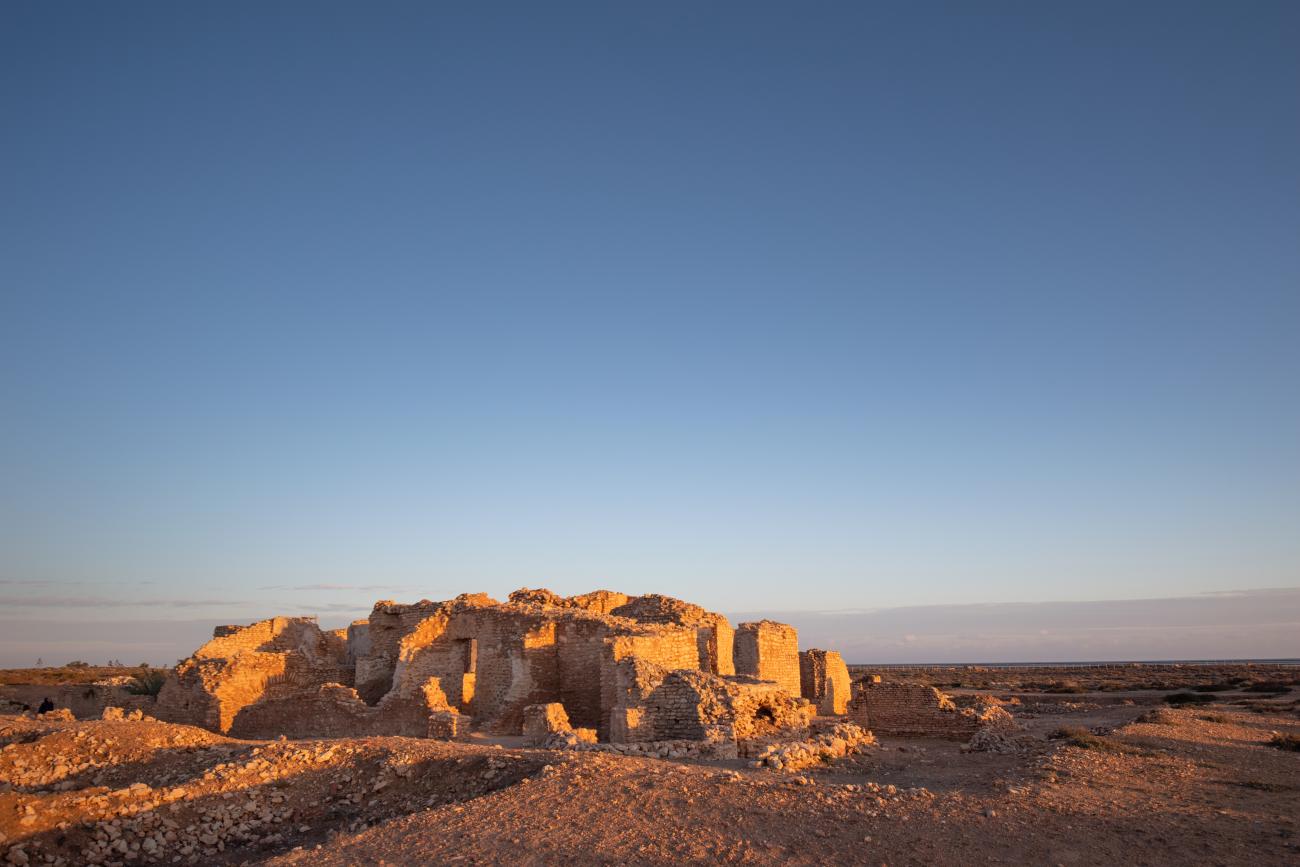
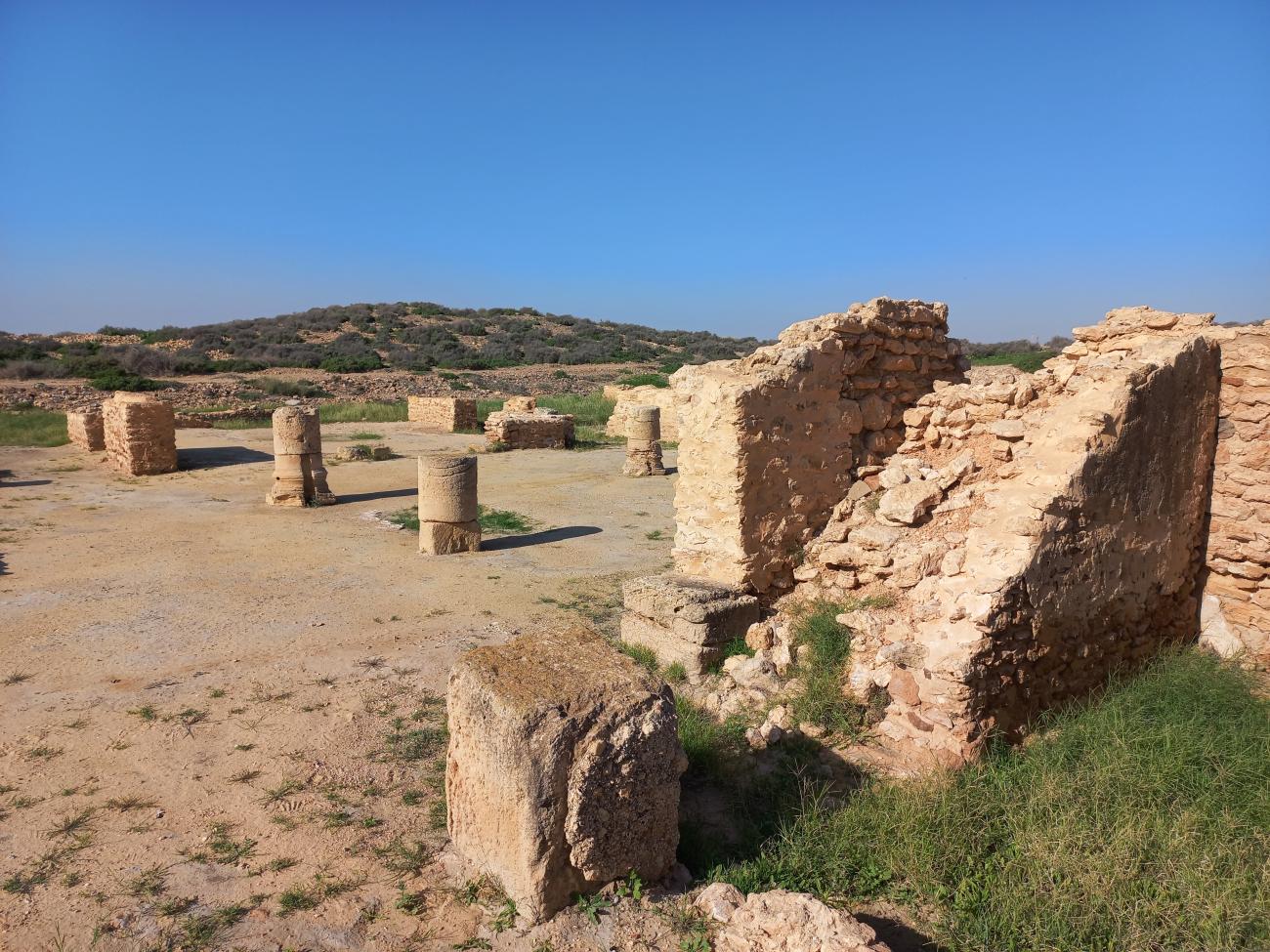
The ancient city of Thaenae (Sfax, Tunisia) has been the focus of an original Tunisian-French partnership project since 2017. This workcamp-school was designed to open up as widely as possible the range of training courses offered to trainees from both shores of the Mediterranean, and to enrich the skills base of those involved in archaeology, while enhancing the value of this major site, which is still very little explored by research initiatives and could become a vector for regional development.
Background
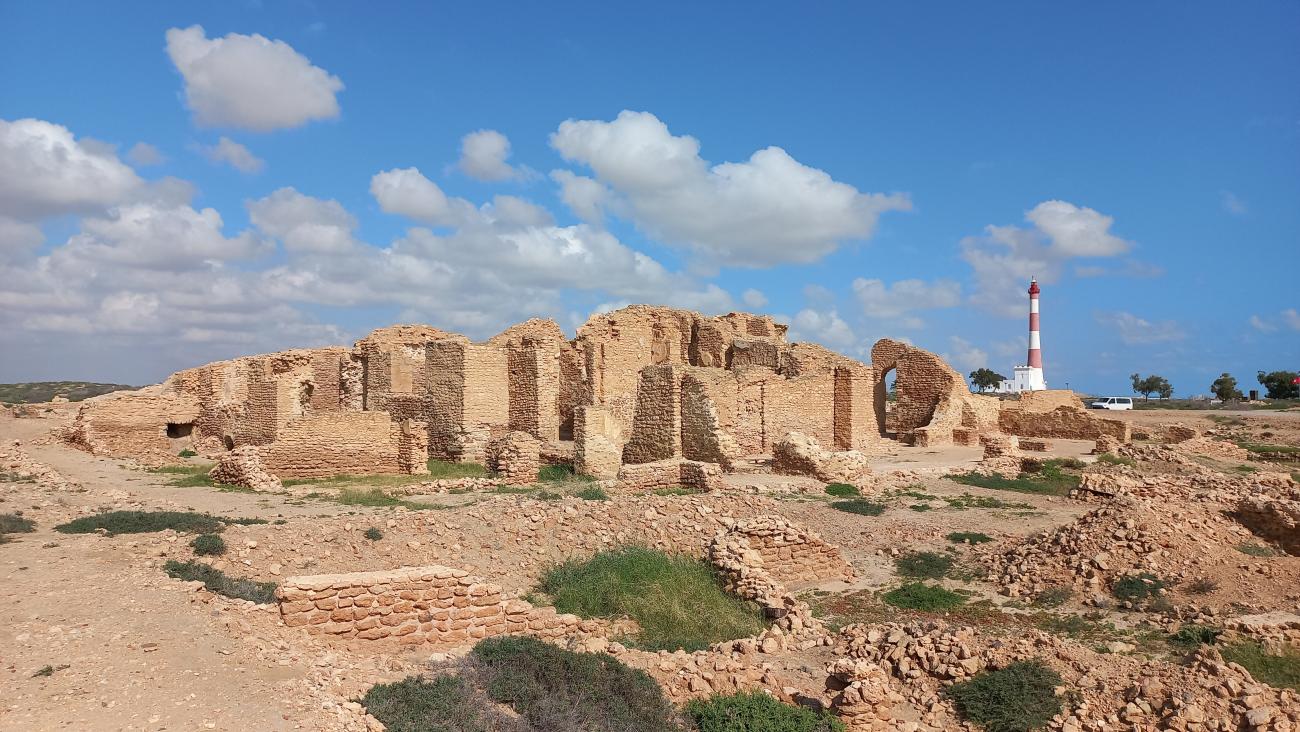
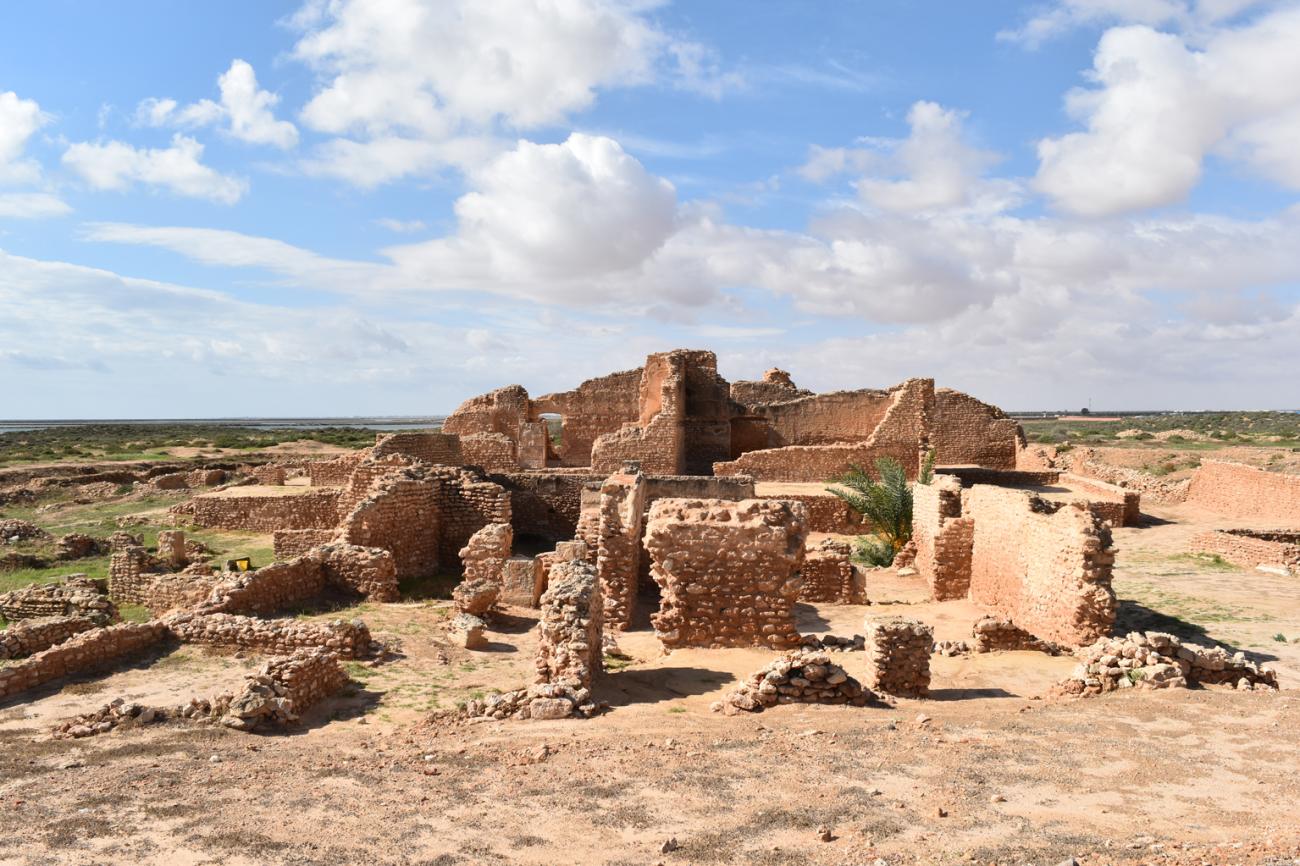
Thaenae, the ancient Henchir Thina, lies on the east coast of Tunisia, a dozen kilometers south of Sfax, and marks the entrance to the gulf of Little Sirte. An ancient Punic city, it came under Numidian rule after the fall of Carthage in 146 B.C., then became Roman in 46 B.C. This peregrine commune was elevated to the rank of colony in the 2nd century A.D., when it became a Roman settlement. è. Texts mention the presence of bishops until 649. The site was therefore occupied for a long time, until it was abandoned in the mid-seventh century, following the Arab conquests.
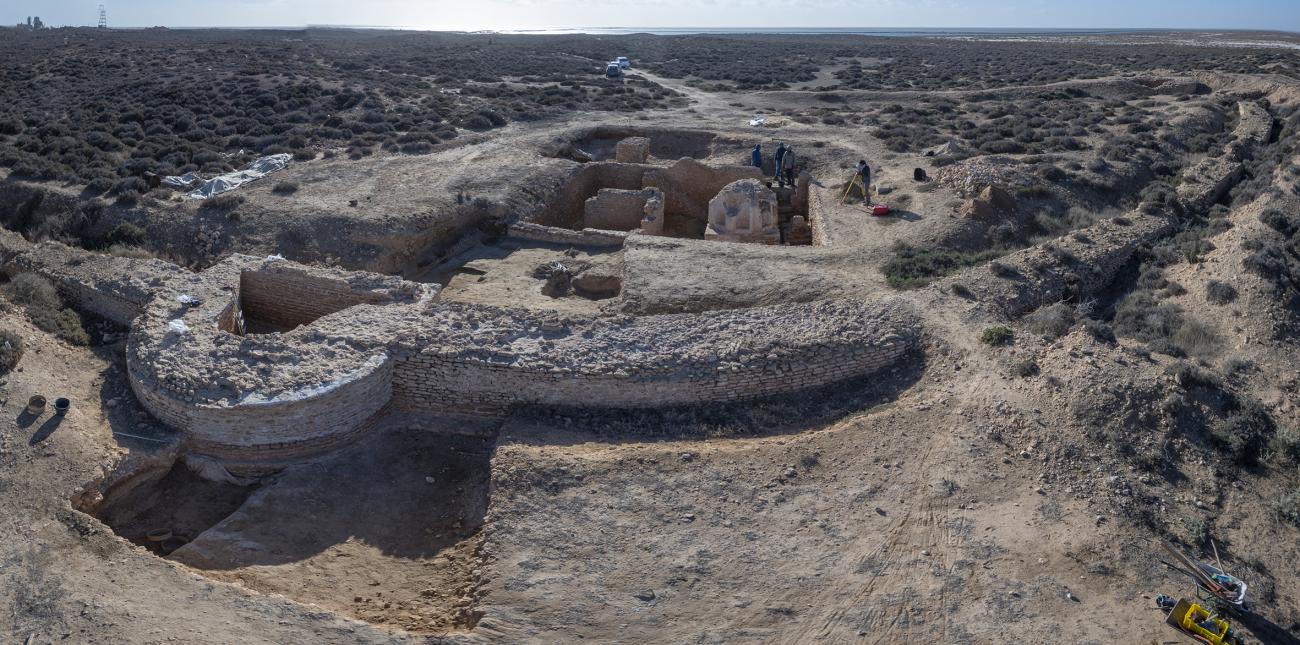
In Late Antiquity, the city underwent a spectacular transformation of its urban landscape. Indeed, in the first third of the 4th century, it was equipped with an enclosure nearly 3 km long, with 84 towers and three gates, whose perimeter was larger than that of the city of the High Empire. Thaenae is a rare example in Tunisia of an ancient city with a city wall. This archaeological site is still largely unexplored. The first excavations, in the form of test pits, were carried out between 1892 and 1910 by the French army, then in 1948-1949 under the direction of Mr. Fendri, then Director of the Sfax Museum. Research was subsequently continued by Mme Nabiha Jeddi (INP).
An Internationally recognized training camp
The Thaenae international archaeological training site, developed since 2017, pursues a triple objective of training, research and promotion. The Research Training project has several components:
- Documentation: analysis of unpublished archives on Thaenae , with the dual aim of inventorying and promoting archaeological documentation by studying the archives and re-examining the furniture in the reserves and collections of the Sfax Museum, which holds much of the material from excavations carried out since the end of the 19th century.
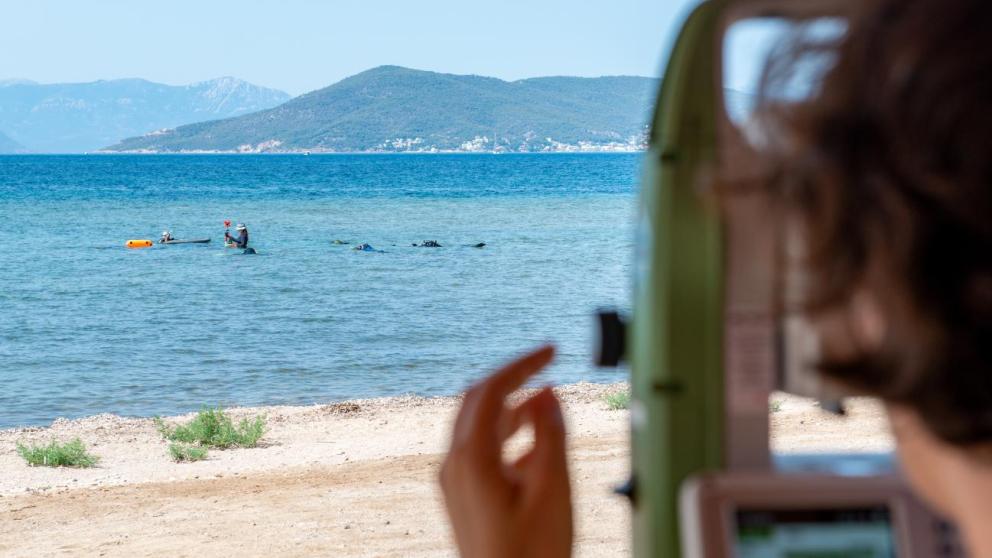
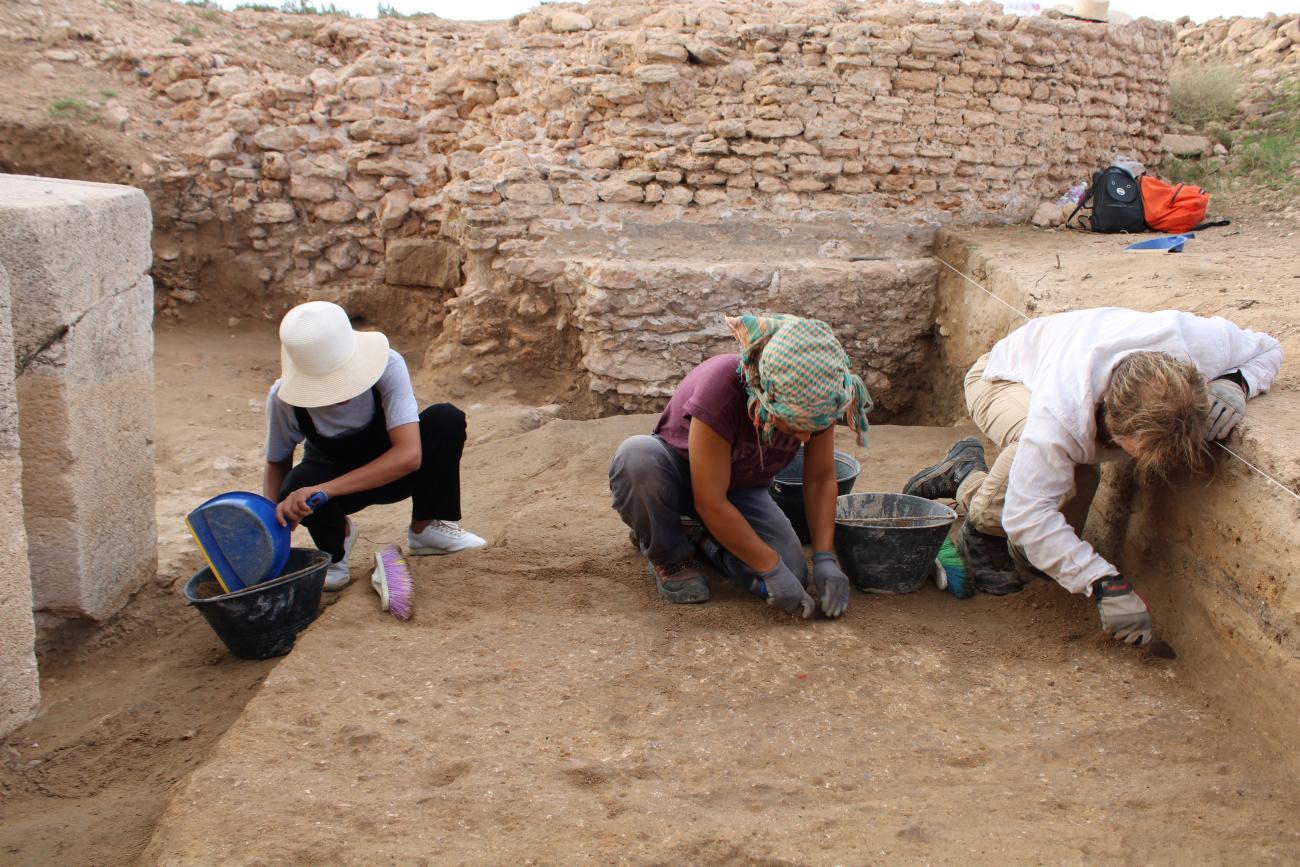
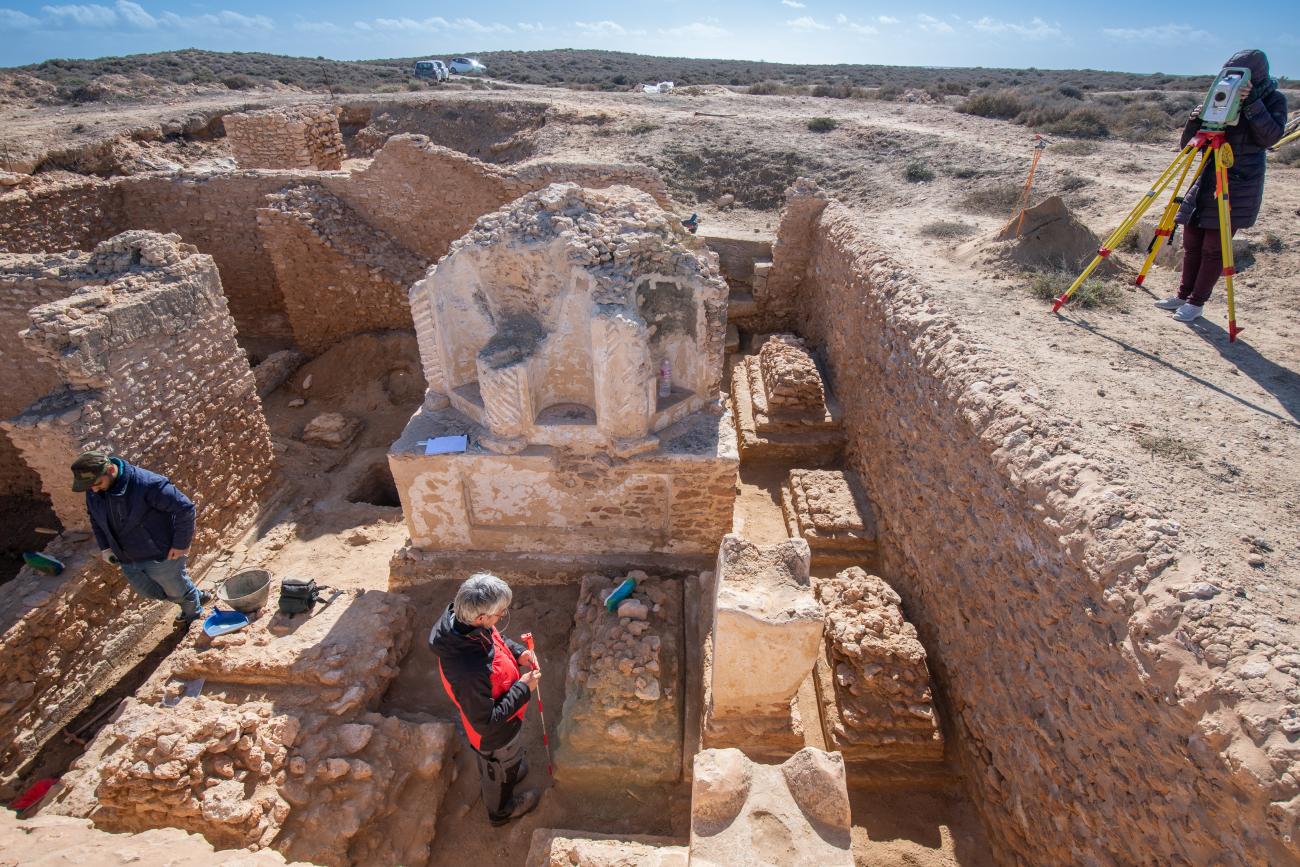
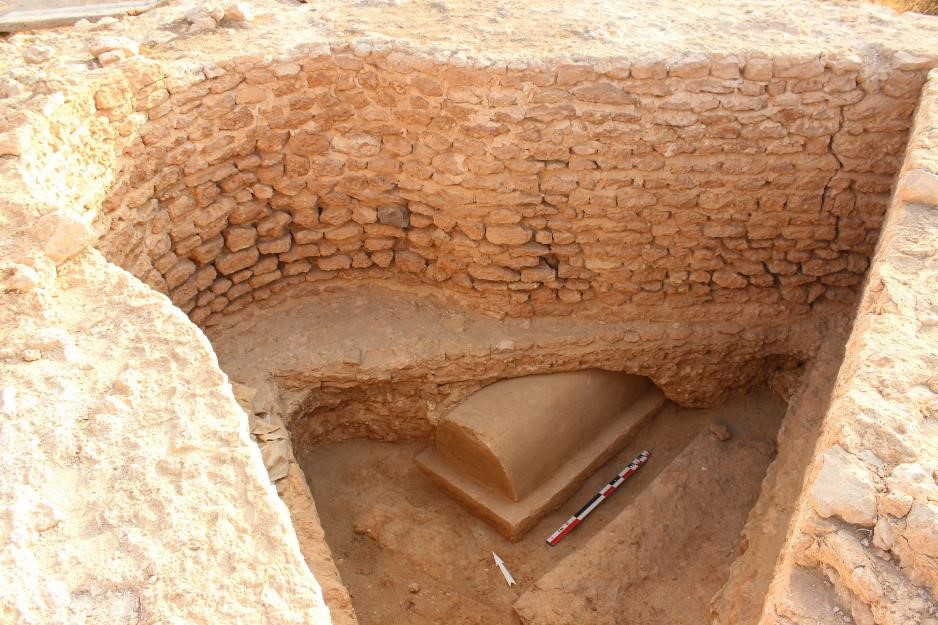
- Fieldwork: reinterpretation, through excavation and prospecting, of structures excavated in the past, in order to better understand the dynamics of urban and peri-urban development on the site.
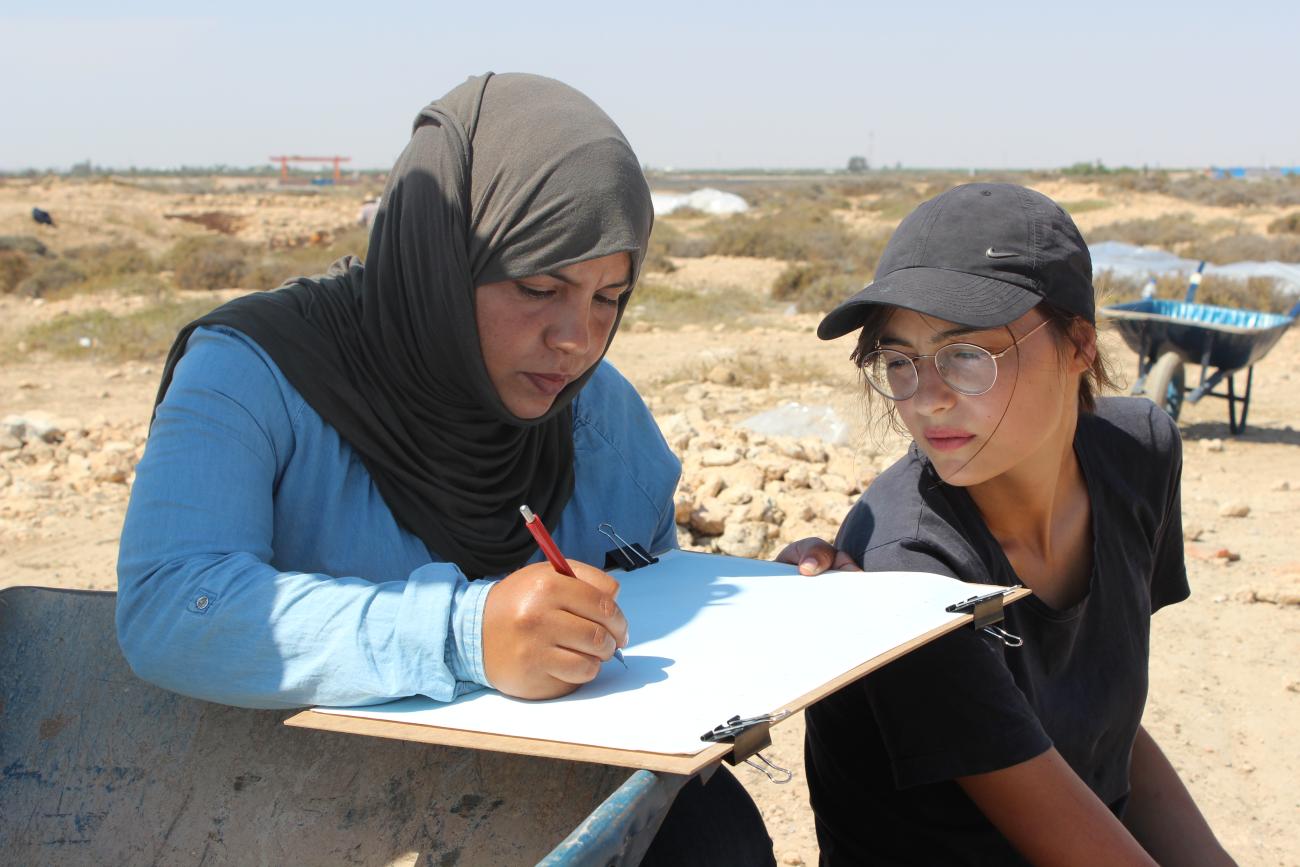
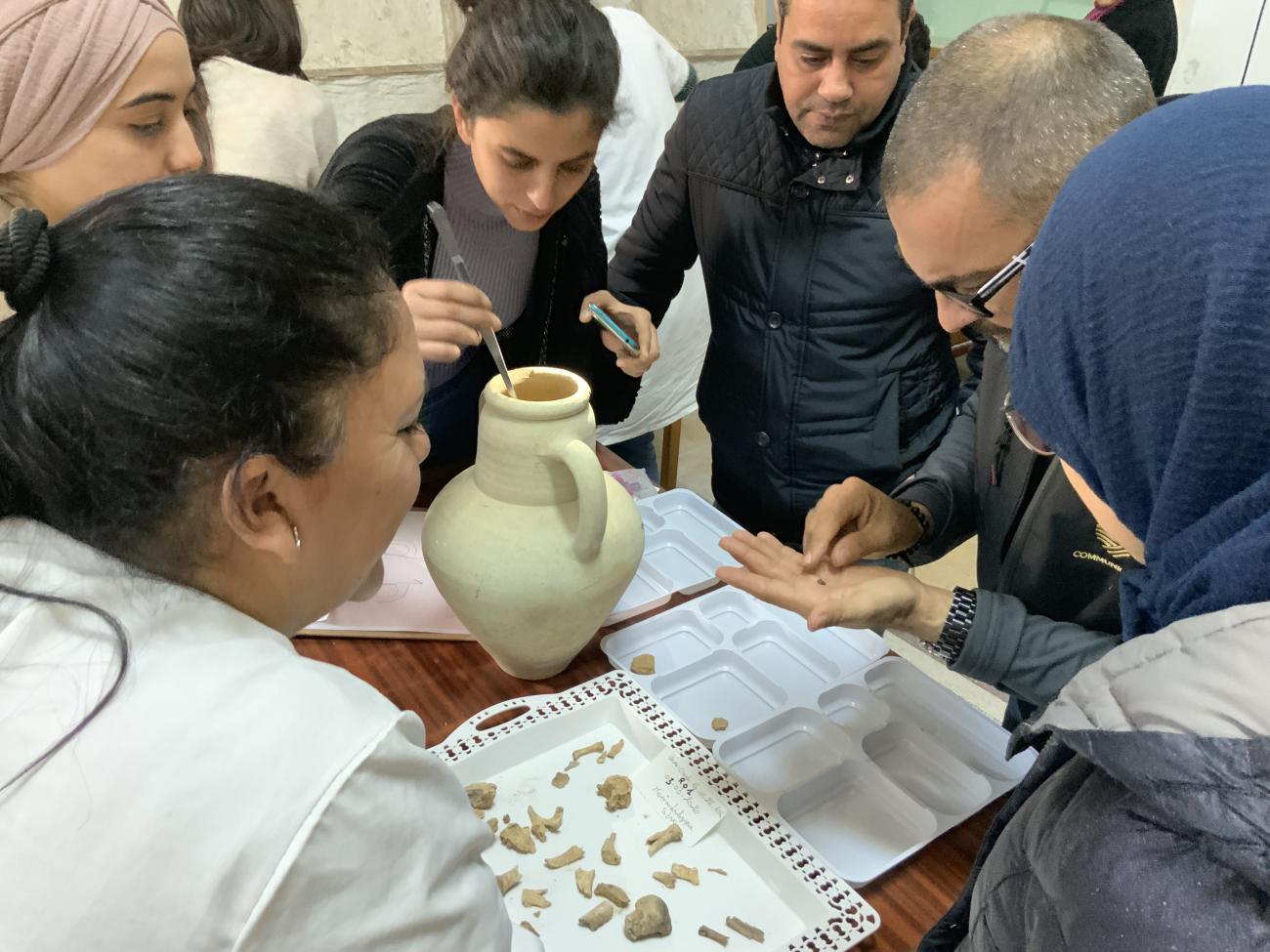
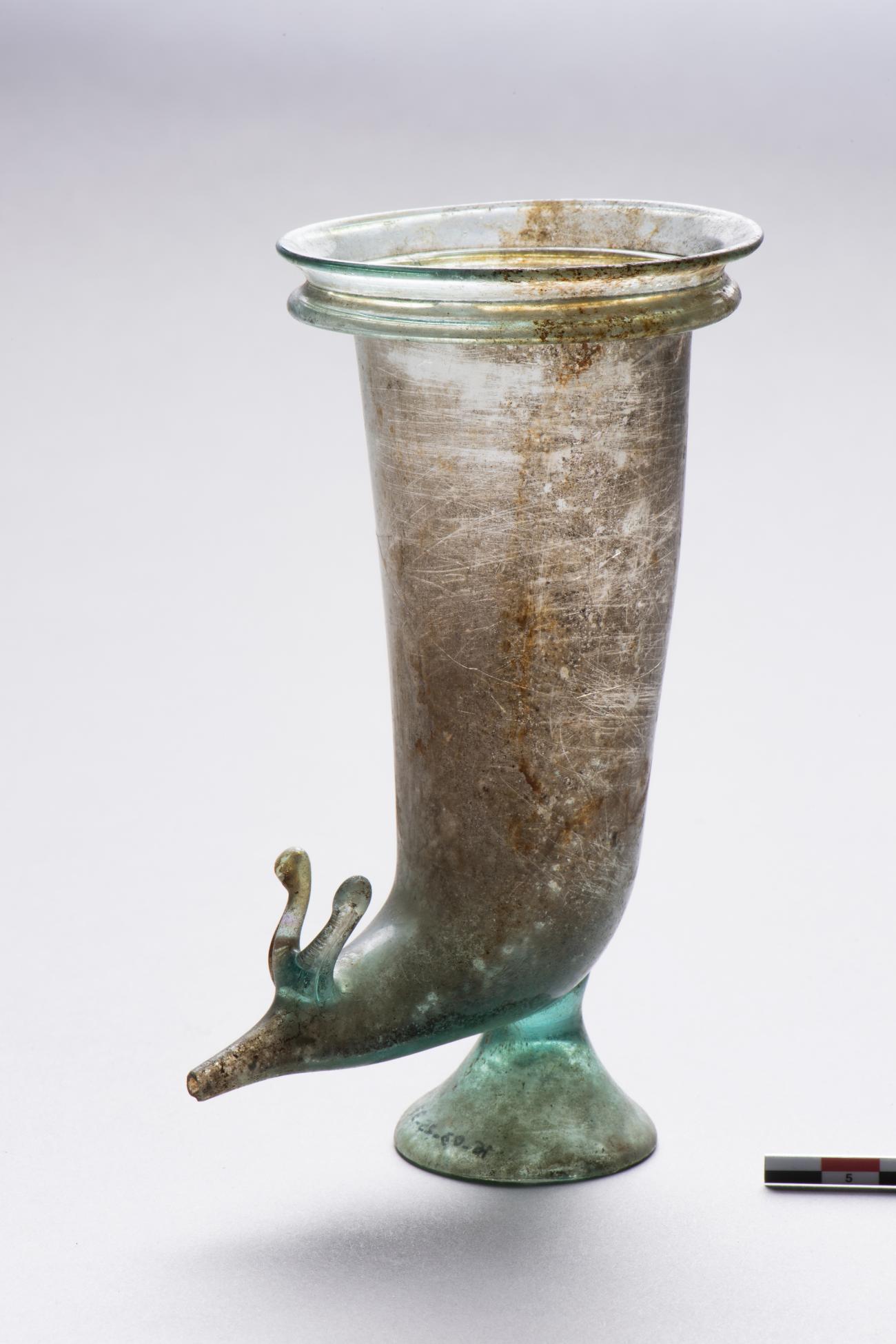
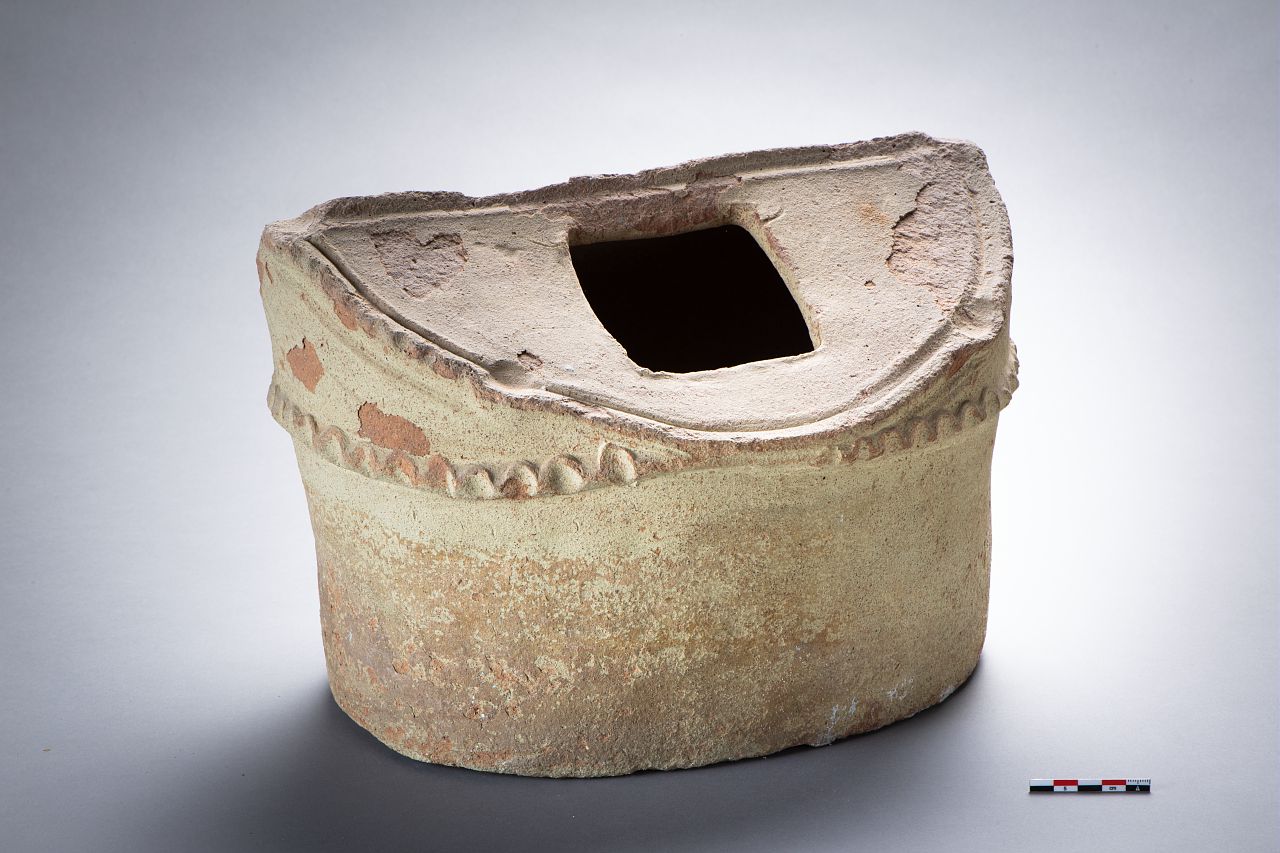
At any given time, trainees (students and curators from INP) are invited to reflect on the strategy implemented in the field, to take charge of all documentation (US sheets, plan and sectional surveys, photographs, photogrammetry) and to organize site safety. Archaeological furniture is handled on site by participants, who are trained in washing, marking, sorting, inventorying, statistics, technical drawing, photography and identification. Training is consolidated through university work, punctuated by periods of mobility between Tunisia and France.
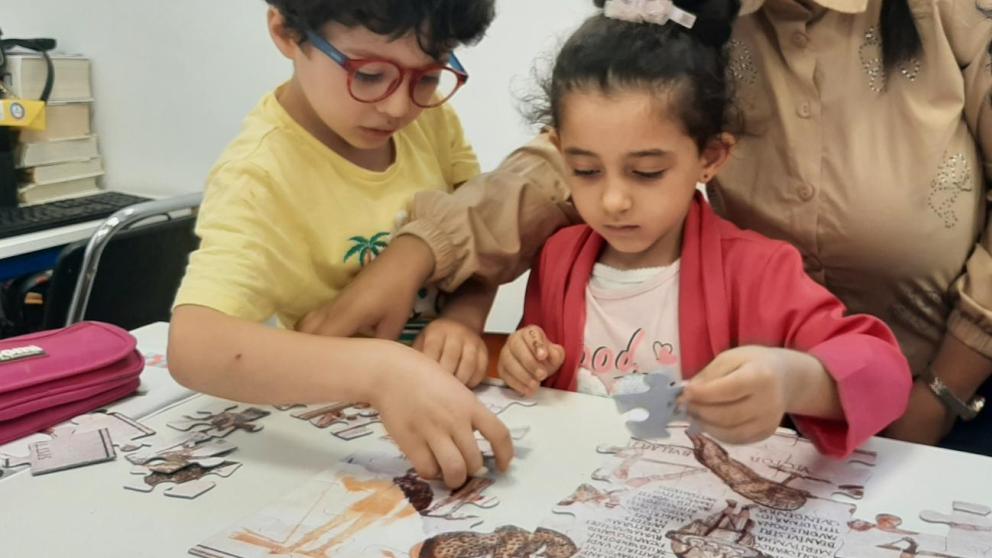
Thaenae, with its historical importance, its conservation and its location at the gateway to Sfax, the country's second largest city, has everything it takes to be a vector for regional cultural development. A number of initiatives have been launched to attract the interest of the general public and to help local populations reappropriate the site: mediation workshops, films, open days, development of a tour circuit and virtual tours.
Scientific managers
- Jamel Hajji (INP)
- Salem Mokni (Univ. Sfax - LERIC)
- Solenn de Larminat (CNRS - CCJ)
Institute laboratories involved
- Center Camille Jullian (CCJ)
- European Center for Research and Education in Environmental Geosciences (CEREGE)
Partner institutions and teams
- Tunisian National Heritage Institute (INP)
- University of Sfax (Faculty of Letters and Humanities / Interdisciplinary and Comparative Studies and Research Laboratory / Sfax National Engineering School)
- École pratique des hautes études (EPHE - Paris)
- Anthropology and History of Ancient Worlds Laboratory (ANHIMA - Paris)
- Service de coopération et d'action culturelle of the French Embassy in Tunisia
- French Institute of Tunisia
- Maison de France in Sfax
Further information
34.649546490551, 10.682755708694