The Institute for Mediterranean archaeology is open to initiatives aimed at disseminating scientific and technical culture to the general public and society at large. It supports a wide variety of initiatives and takes part in many events that bring together citizens, researchers and students. These necessary initiatives will always be welcome, but its teams intend to go further in future years and imagine new models of interaction between science and society that promote citizen participation in research and co-writing of a public history.
Grant for scientific culture projects
Rather than offering a new range of specific support services, the institute has joined the "grant scheme for scientific culture projects" run annually by Aix-Marseille Université’s scientific culture unit within the establishment, by granting co-funding to all projects selected in the field of archaeology. This incentive scheme is run in conjunction with the MMSH, which also provides consultancy support during the set-up and implementation of projects. Seven workshops have been supported since 2021.
Year - 2025
Laboratory involved - Camille Jullian centre
Coordinator - Delphine Isoardi
Scheme - Creation of an immersive, interactive tour of the Castellar oppidum in Cadenet (Vaucluse), using a digital guide accessible via smartphone. The aim is to make the visit informative, fun and educational, emphasising the archaeological aspects while making it accessible to a wide audience, including younger generations who are often keen on modern technology. Moreover, as the remains are located within a pine forest, a magnificent green setting on the outskirts of the village, this trail will combine two strong elements: the archaeological and historical theme, and the family-friendly outdoor sports activity (walking, cycling, horse riding). This approach will also help enhance and preserve the site, which is currently derelict.
Year - 2024
Laboratory involved - Aix-Marseille interdisciplinary centre for the study of literature/Divided materials, interfaces, reactivity, electrochemistry
Coordinators - Valérie Gontero-Lauze/Élodie Burle-Errecade/Florence Boulc’h
Scheme - We are a team of teacher-researchers at Aix-Marseille Université and we have been working for around ten years on medieval manuscripts using an interdisciplinary approach (literature and chemistry) that has enabled us to shed light on many of the grey areas surrounding these ancient objects. We began by focusing on the Méjanes 1800 manuscript, which contains Petrarch’s Les Remèdes de l’une et l’autre Fortune, translated by Jean Daudin. We then studied the manuscript tradition of this text, which led us to carry out missions to Chantilly, Vienna (Austria) and Dresden (Germany): this new research enabled us to find out more about who commissioned these manuscripts and about the miniatures contained in these pages. The initial findings of this research have been put into play in a digital escape game, L’Affaire Pétrarque - Codex et Info(x), with the help of AMU’s scientific culture unit, a game finalised in 2023. We would now like to present all the results of our research in situ, on the very site where our original manuscript is located, a manuscript that would be exhibited at the centre of our scripting.
Year - 2024
Laboratory involved - Camille Jullian centre
Coordinator - Giulia Boetto
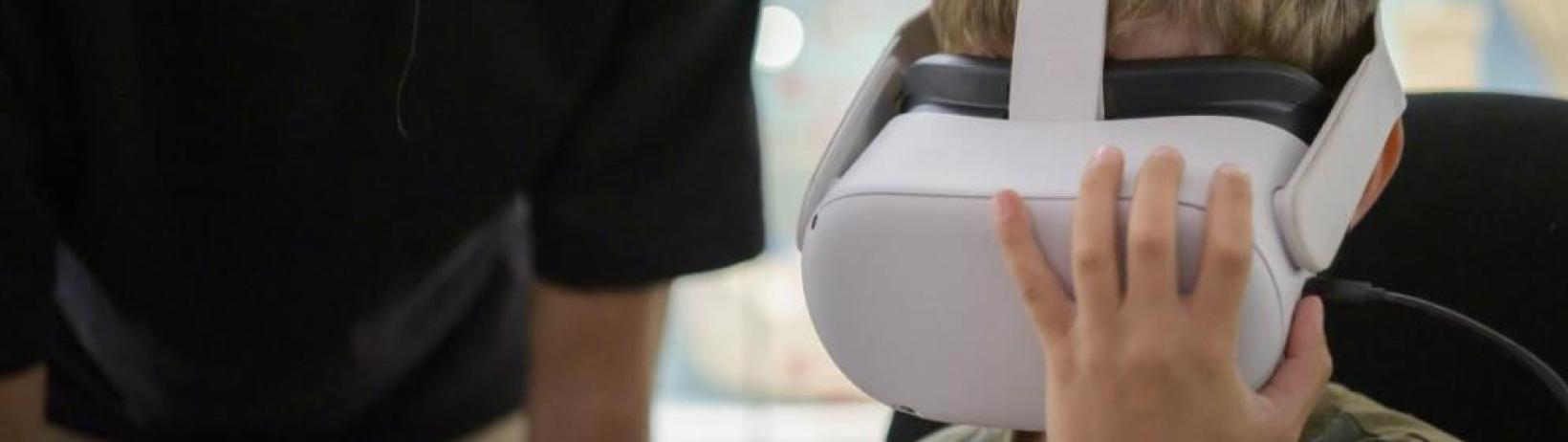
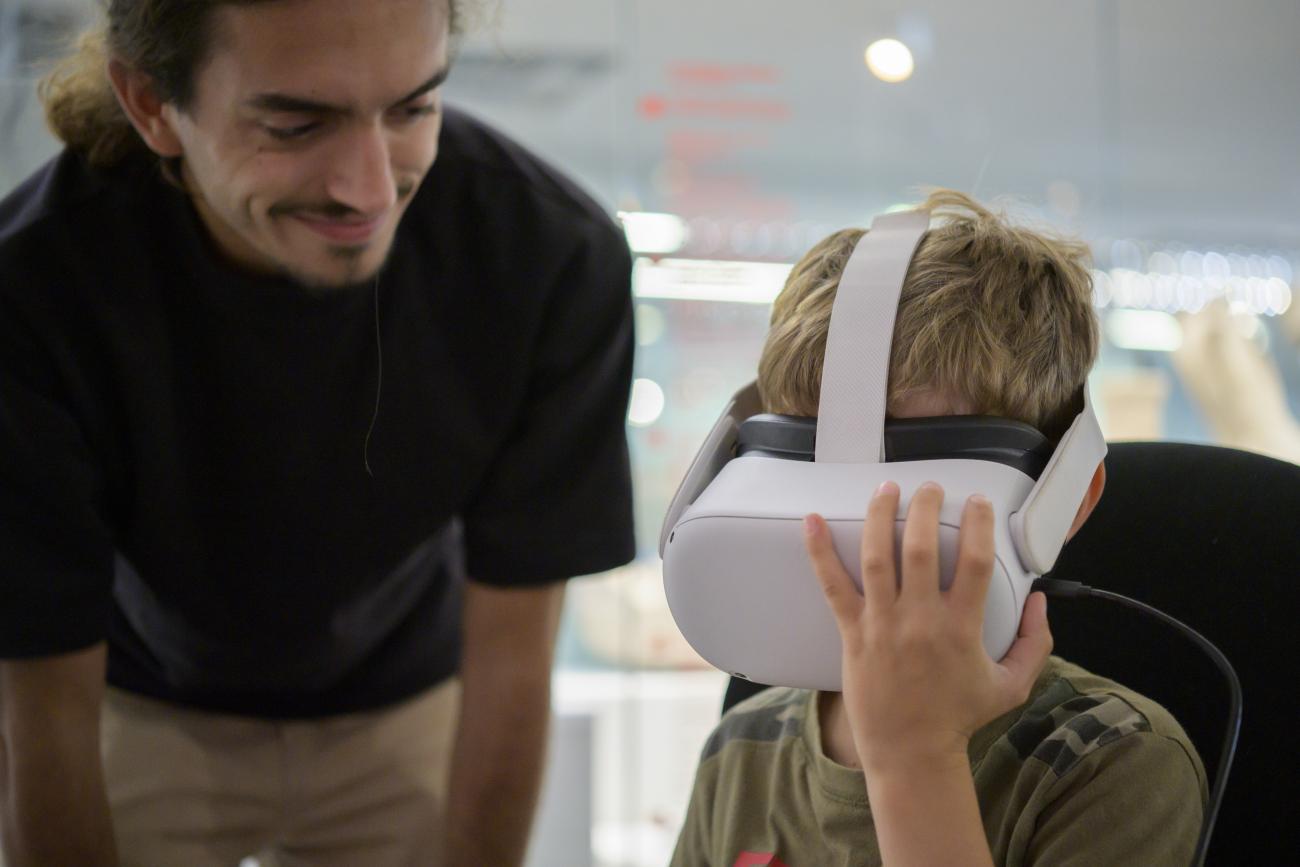
Scheme - How was an ancient Mediterranean ship built? How did it navigate? These are the themes covered in the “All aboard - Discovering ancient naval archaeology” workshop. Thanks to virtual reality and physical models, visitors will be able to dive on a Bronze Age sewn wreck, discover the hold and deck of a ship from the 6th century BC. They’ll be assembling planks like a real shipwright and, in the end, building their own miniature antique boat.
Year - 2023
Laboratory involved - Institute for research on ancient architecture
Coordinator - Stéphanie Zugmeyer
Scheme - Since 2018, as part of a research programme funded by the ANR and led by the IRAA, a multidisciplinary team has been studying the rocks used in the ancient monuments of Delos. This small island in the centre of the Cyclades was reputed to be the birthplace of the god Apollo. The city of Delos, which flourished thanks to its great sanctuary, was endowed with monumental ornamentation of the highest quality, built from local or imported stone. The aim of this study is to determine their origin by analysing the rocks used and the rocks from the island’s quarries, to quantify the materials extracted and analyse how each type of stone was used at different periods in the island’s history.
To disseminate the results of this research, an exhibition aimed at the general public will open its doors at the Villa Kerylos (Beaulieu-sur-Mer), itself built on the model of a Delian house.
Year - 2022
Laboratory involved - Camille Jullian centre
Coordinator - Laëtitia Cavassa
Scheme - The project is based on the excavations we carried out in Pompeii in two potters’ workshops that were in operation at the time of the eruption of Mount Vesuvius at the end of the 1st century AD. This field research has enabled us to reconstruct the entire chain of the potter’s work, from the identification of the quarries from which the clay was extracted to the distribution of the finished product. The excavations were accompanied not only by archival research, analysis of iconography depicting the work of the potters, study of the vases and chemical analysis, but also by an experimental archaeology project involving the reconstruction to scale of one of the potter’s wheels in the Pompeian workshop.
As a result of all these studies, we are now able to offer the public a virtual reconstruction of a pottery workshop in Pompeii. The virtual tour will be accompanied by an excavation workshop for a Pompeian potter’s wheel: this is an excavation trough - already available - which reproduces the remains that we discovered on site. Depending on the event, the workshop activity can also be developed with the presence of a potter who offers an introduction to vase turning (with her electric lathes) for each participant.
Year - 2021
Laboratory involved - Camille Jullian centre
Coordinator - Solenn de Larminat
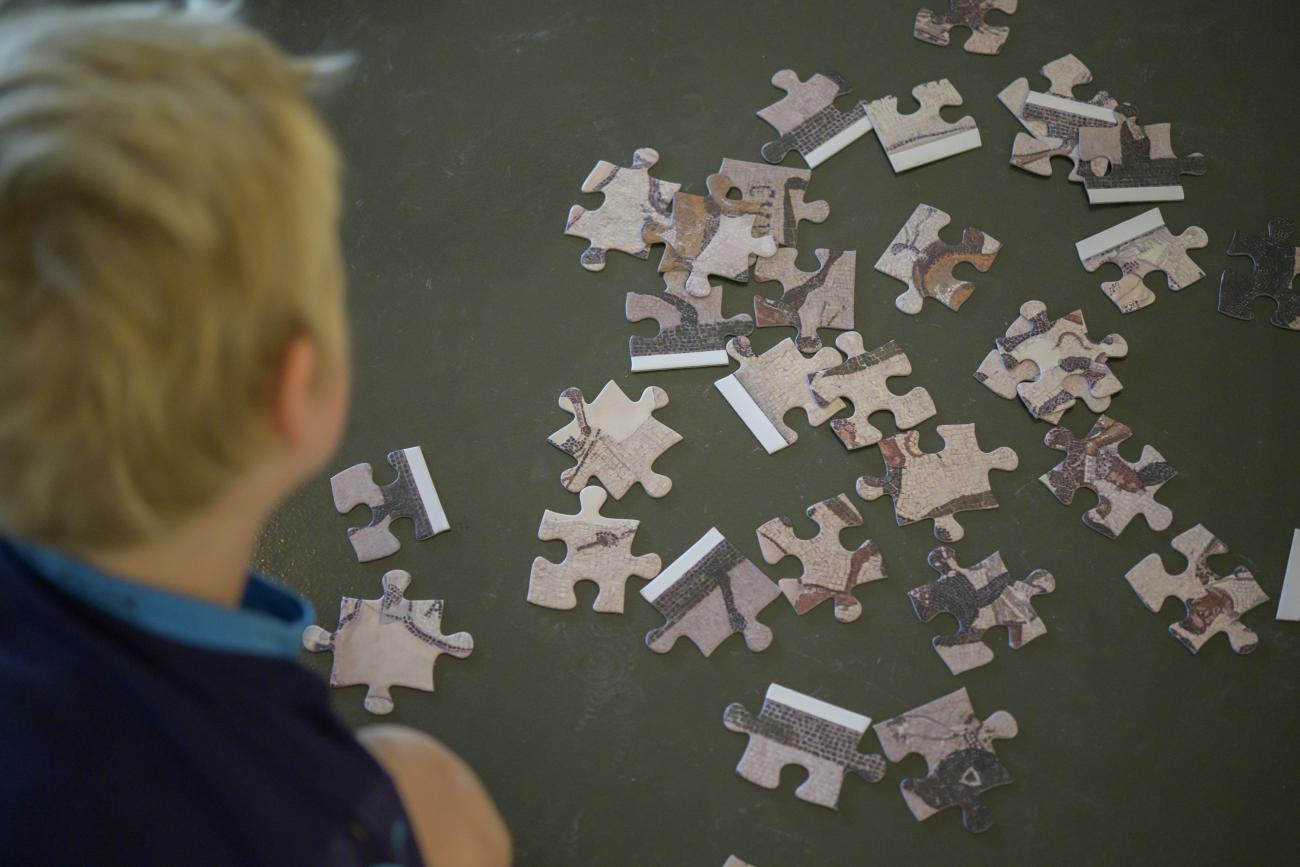
Scheme - Thanks to the installation of exhibition panels on the archaeological site of Thaenae (Sfax, Tunisia) combined with additional information on the web (GIS, virtual tour), this trail offers visitors a chance to discover the most remarkable Roman monuments on this major site that is still little known to the general public (baths, houses, ramparts, towers, town gates and necropolises). An open day will inaugurate this interactive trail and offer a number of workshops (excavation tank, amphora reassembly, mosaic workshop, etc.) and guided tours to help visitors discover the site and the different professions involved in archaeology, as well as showcasing our recent scientific discoveries. Lastly, a round-table discussion will bring together the various players from research and civil society to inaugurate the virtual tour and discuss how to make the most of the site.
Year - 2021
Laboratories involved - Mediterranean laboratory for European and African prehistory/Camille Jullian centre
Coordinator - Pierre Magniez/Florence Mocci
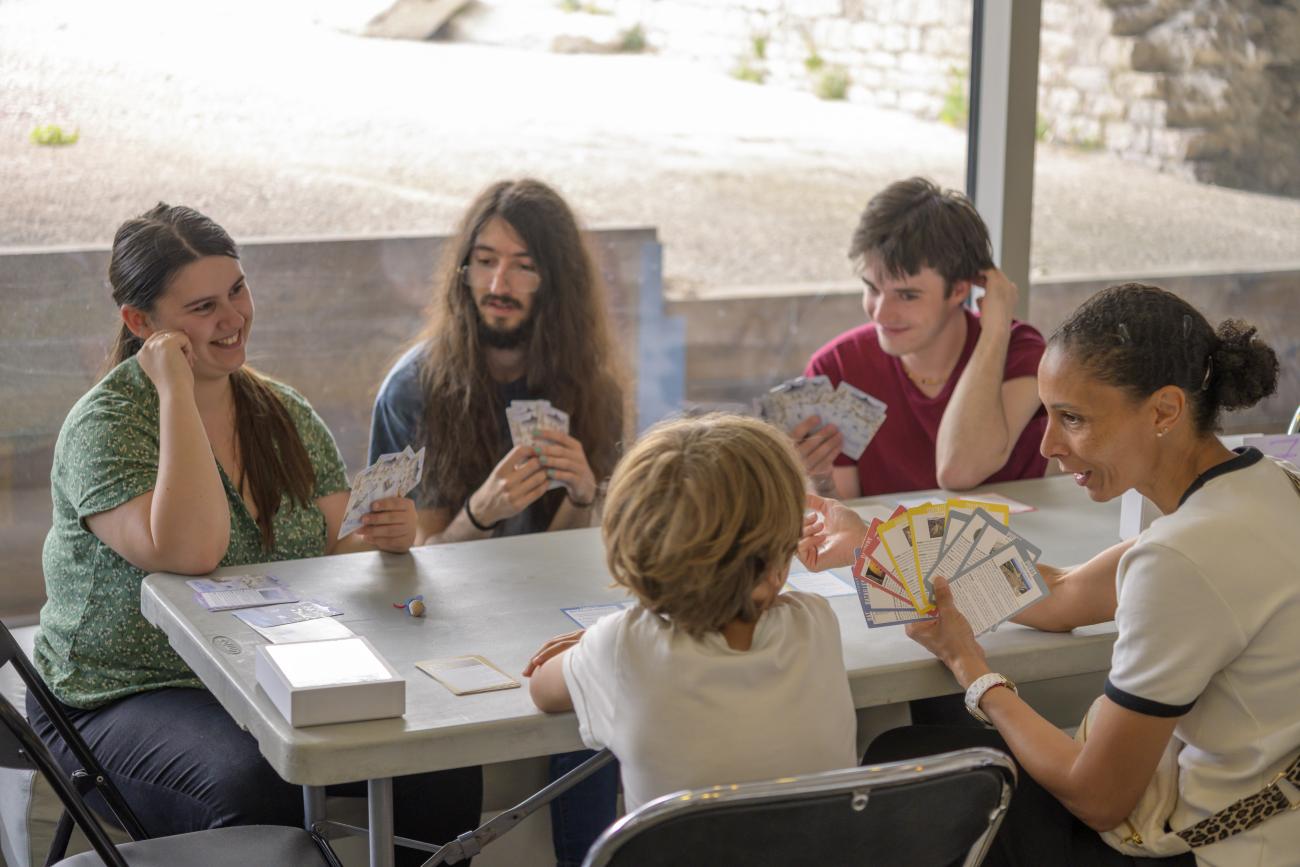
Programme - The Archéo’EnvieS project is part of the A*MIDEX PATHWAy 2020-2022 programme (Protohistoric to Medieval pastoralism in the Western Alps: the origins and development of long-distance transhumance, which is developing tried and tested tools (archaeozoology, sedimentology, palynology) or innovative ones (isotopes, sedimentary DNA) to take a systemic approach to the evolution of socio-ecosystems through the co-construction of pastoral practices and landscapes, over nearly 3,000 years, on both sides of the Western Alps. The aim is to create a series of games to raise public awareness of changes in agricultural and pastoral practices and eating habits in societies from the Neolithic period to the Middle Ages.
Year - 2021
Laboratory involved - Institute for research on ancient architecture
Coordinator - Stéphanie Zugmeyer
Scheme - This educational programme is devoted to exploring everyday life in Roman Gaul for schoolchildren (CP to CM2). Its aim is to make different aspects of ancient society accessible to children through their teachers. Based on 5 main themes (food, clothing, architecture, education and entertainment) and drawing on the collections of the Musée départemental Arles antique and the monuments of Arles, educational kits developed by researchers and their partners will be provided to teachers. They will include media tools such as models, facsimiles and various digital media (images, 3D, films, videos, interviews, etc.). These tools will draw on the expertise of AMU’s laboratories in the field of experimental archaeology, with students being invited to carry out a number of experiments themselves in class relating to crafts and daily life in the Roman world.
Cultural programming along the river
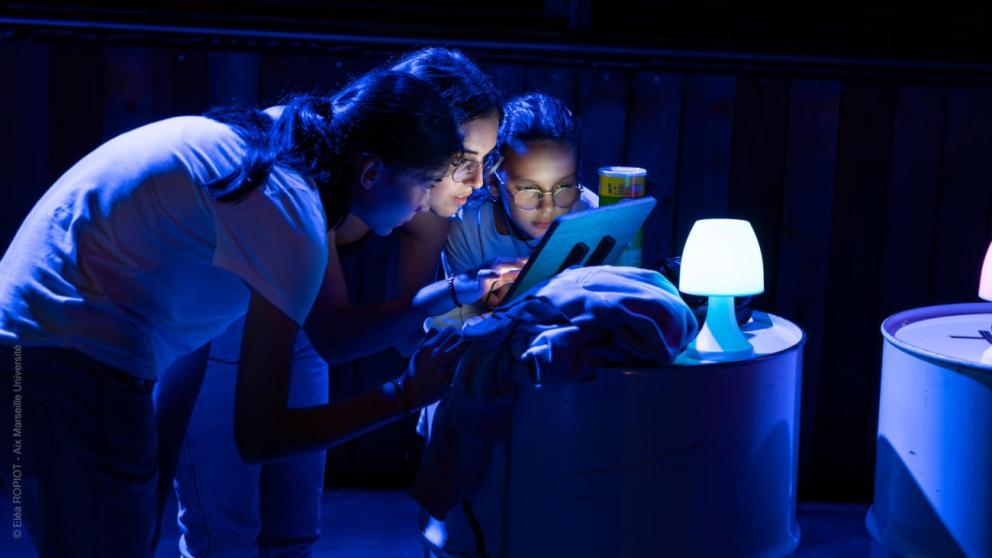
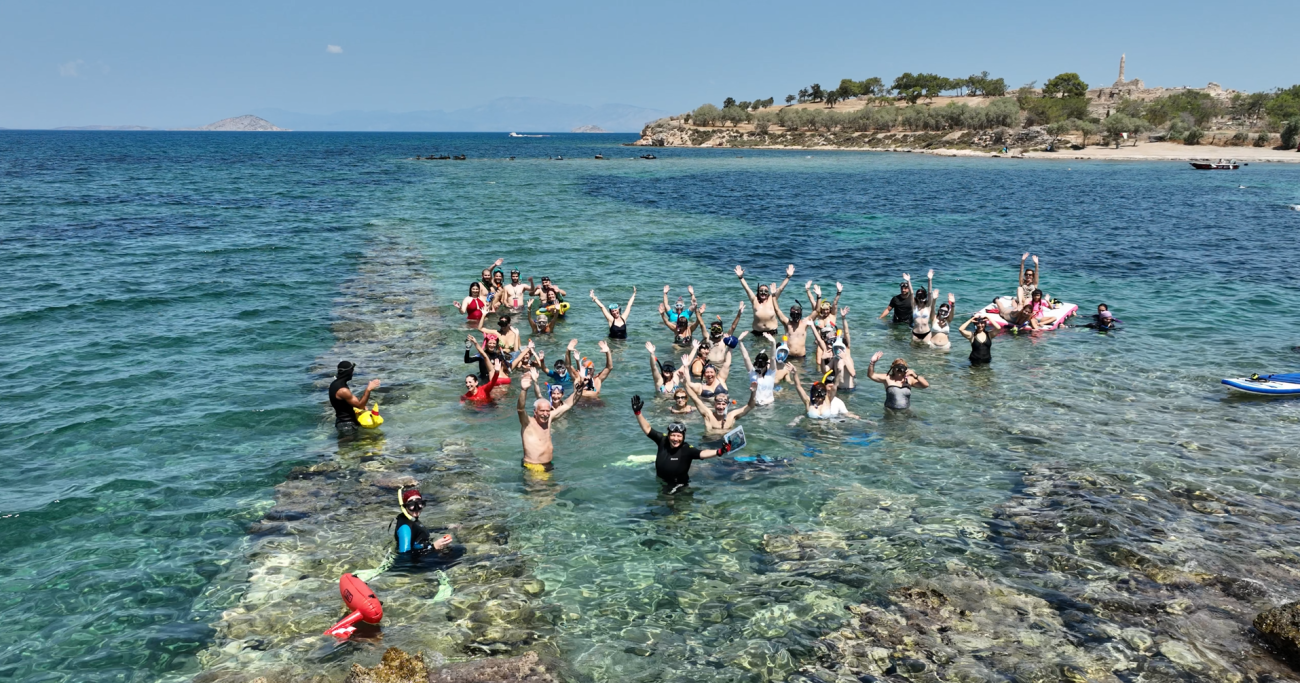
In general, a great many events (public lectures, open days and site visits, exhibitions, educational activities) in support of projects supported by the institute were organised in France and abroad, either spontaneously or as part of an international programme (European Heritage Days, European Archaeology Days, Fête de la science, European Researchers’ Night).
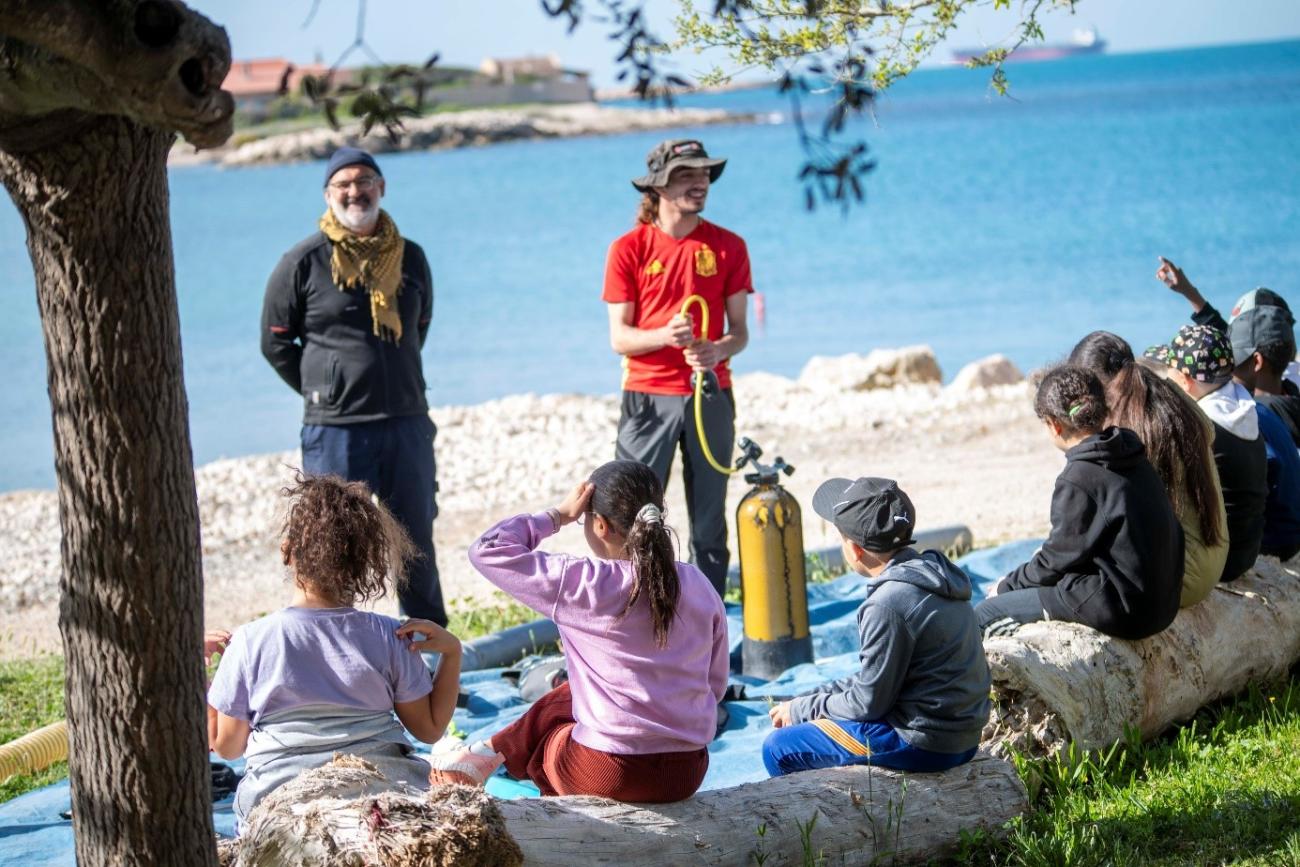
Promoting Gyptis
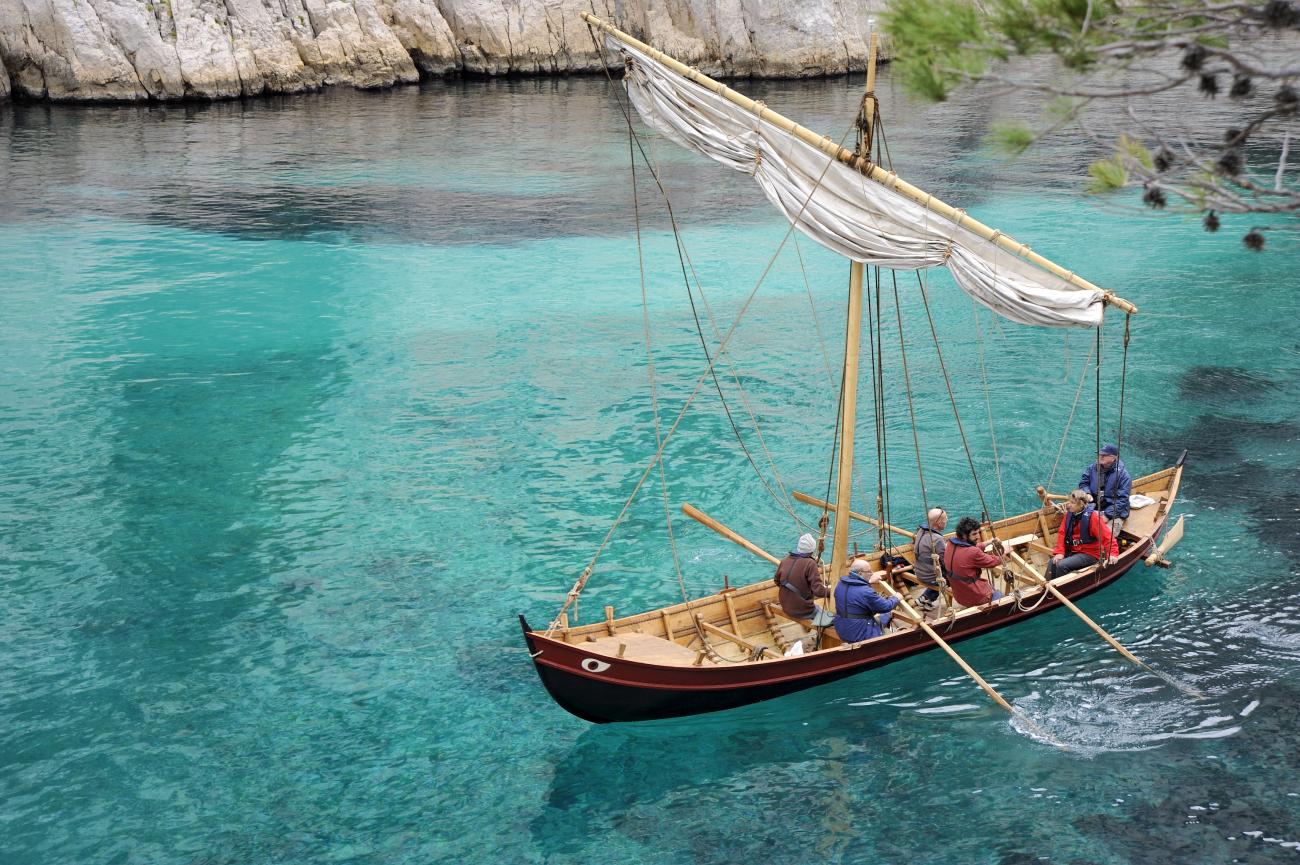
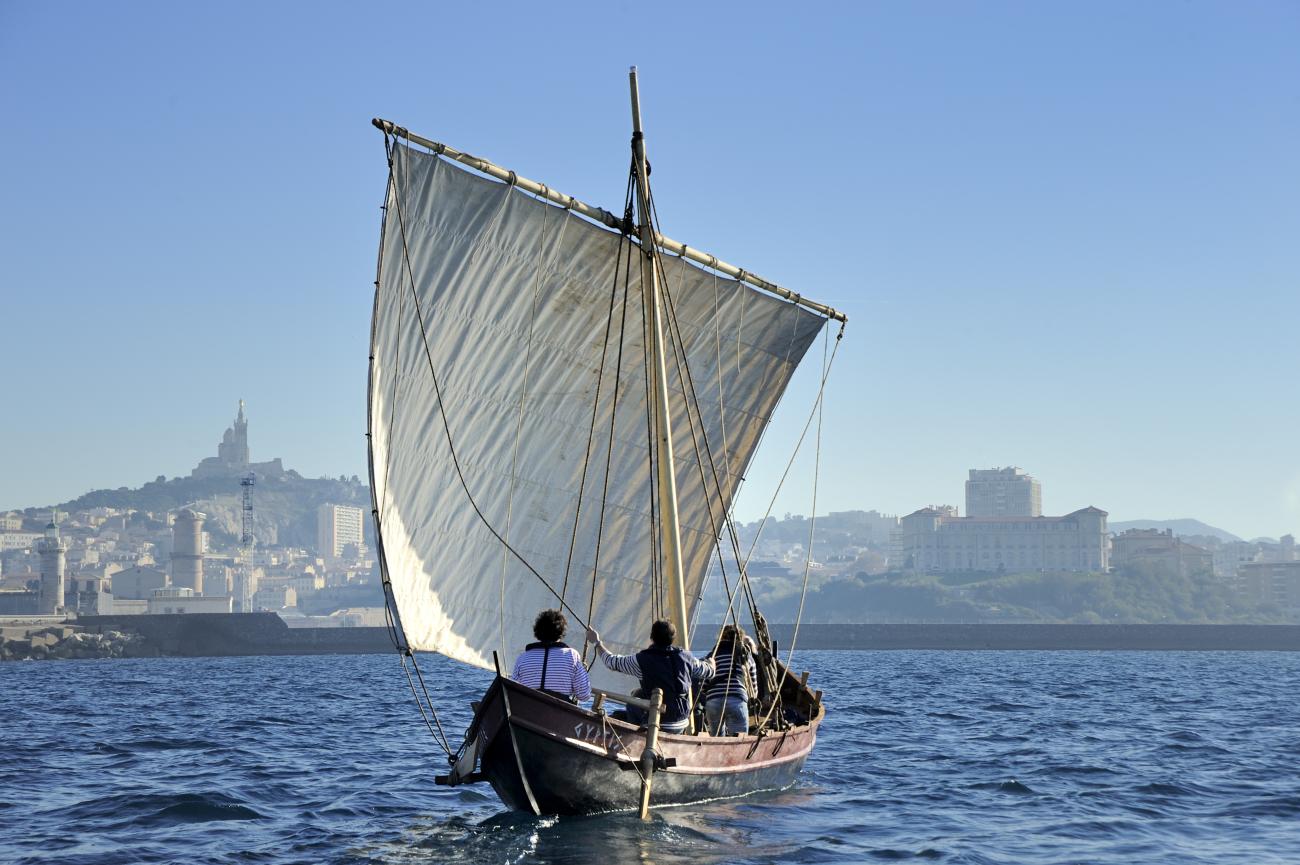
The Gyptis is the sailing replica of the wreck "Jules Verne 9", a 6th century BC Massaliote barque unearthed in 1993 during archaeological excavations at Place Jules Verne in Marseille. The object of an ambitious naval archaeology programme led by the Camille Jullian Centre with the support of the ARKAEOS association and their partners as part of "Marseille - European Capital of Culture", Aix-Marseille University officially became the owner on 14 November 2013.
Currently maintained and developed by the ARKAEOS association, researchers from the Camille Jullian Centre and students of the Master’s in maritime and coastal archaeology, Gyptis is a formidable tool for mediation, training and experimental research, activities that are strongly supported by the Institute for Mediterranean Archaeology.