Sardinia was already called "The island of silver veins" in ancient times, due to its rich deposits in the Iglesiente region. Extensively exploited between the 12th and 14th centuries, the island became one of the leading silver producers in the medieval Mediterranean. Since 2024, a research program at the École française de Rome - ARGENTARIA. Miniere, minatori e ambiente nell'Iglesiente (Sardegna, XII-XIX secolo) - has been exploring the archives and remains of silver-mining enterprises.
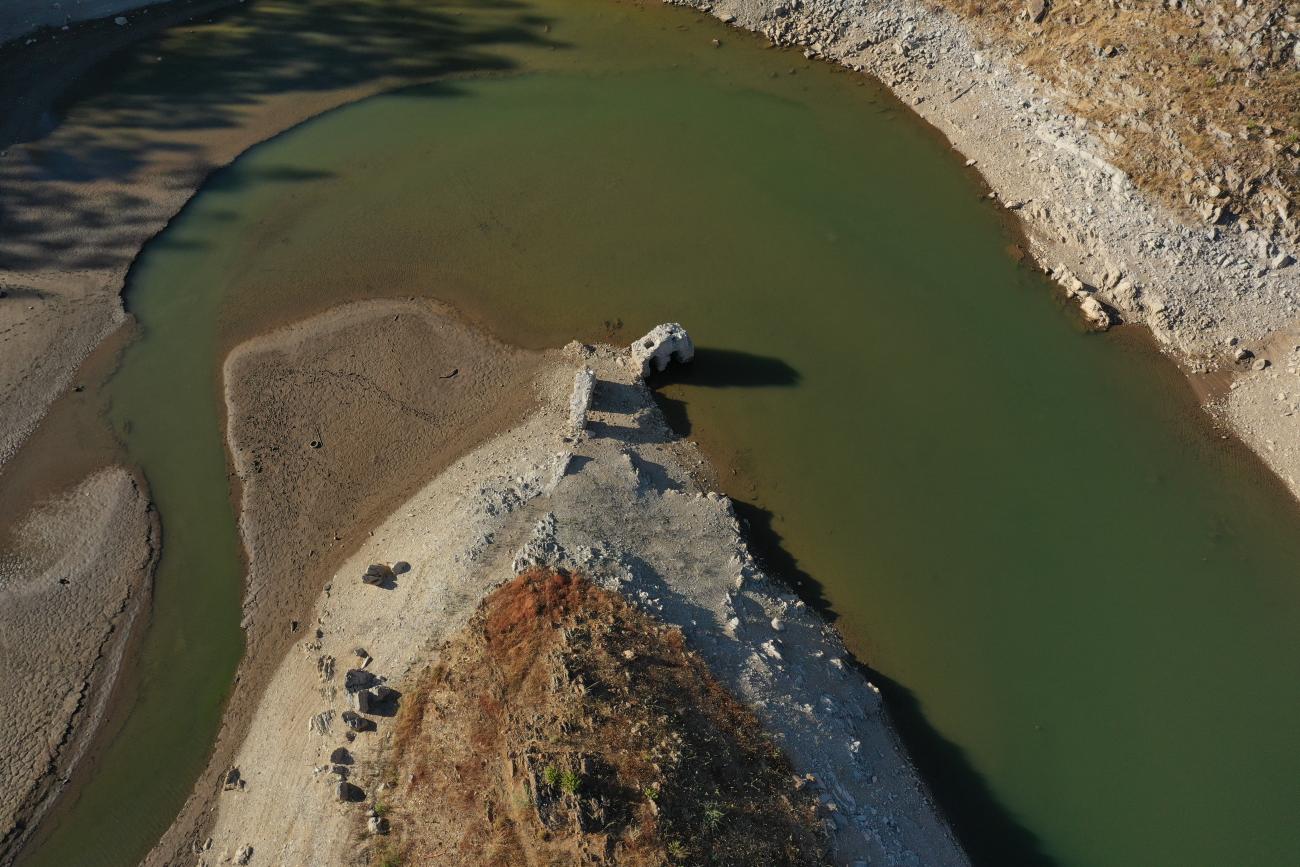
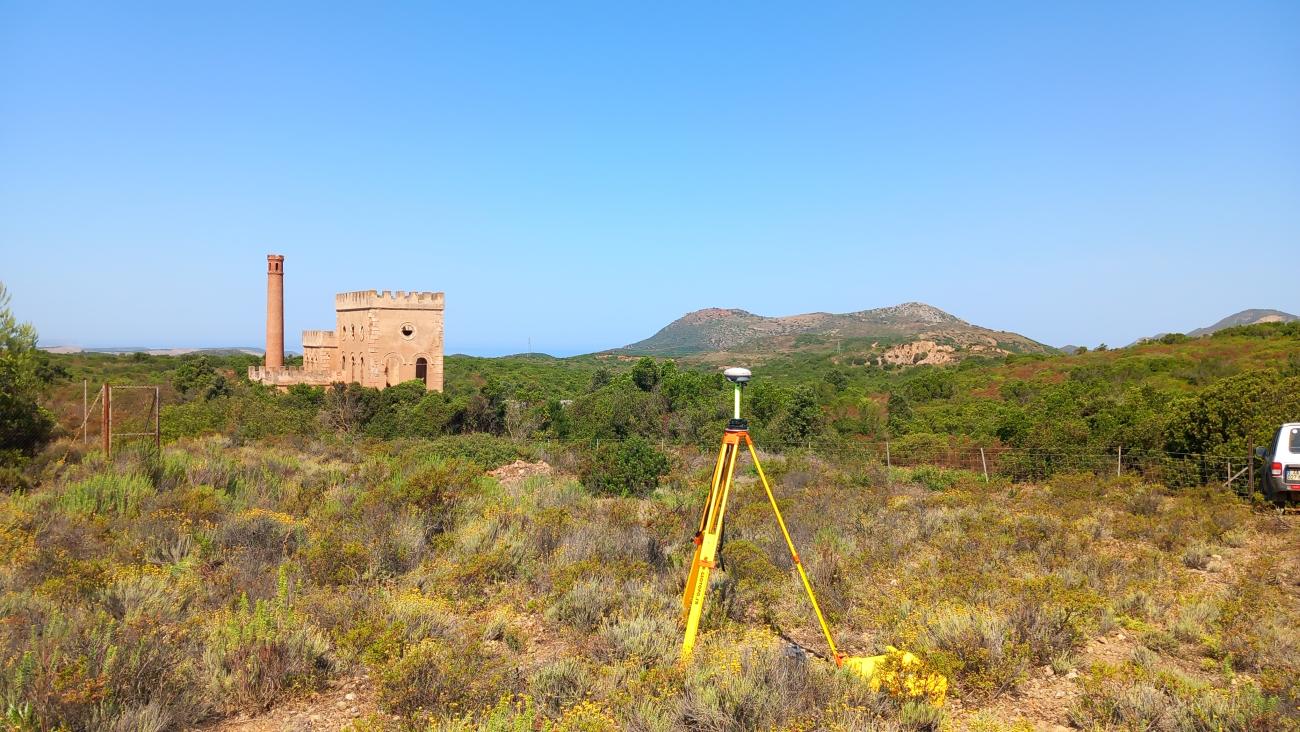
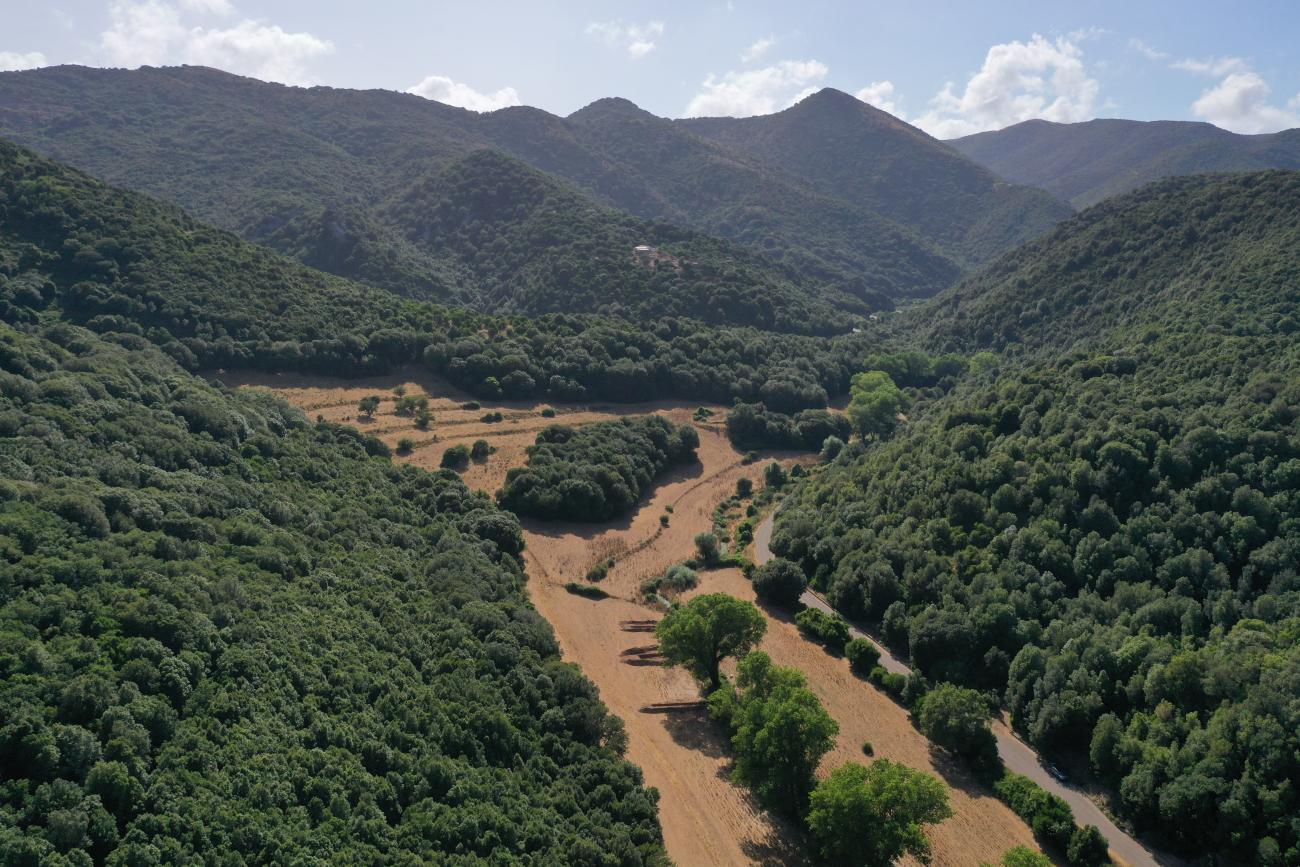
The silver deposits of Iglesiente (south-western Sardinia) were mined discontinuously from protohistory to the 1990s. In the 13th and 14th centuries, investments by Sardinian, German, Pisan and Aragonese companies made the island one of the leading silver producers in the Mediterranean. By virtue of its geographical scope, its centrality in business networks and its economic importance in the precious metals markets, the medieval Iglesiente is an exemplary silver-producing area, conceived as a crossroads and a social laboratory in which production techniques, practices and standards both enriched and competed with one another. What's more, the legacy of medieval mining operations has left its mark on the area: a source of opportunities when it came to recycling old slag in the 19th century, or of environmental challenges when it comes to managing jagged mountains, spread-out spoil and washed-out slopes.
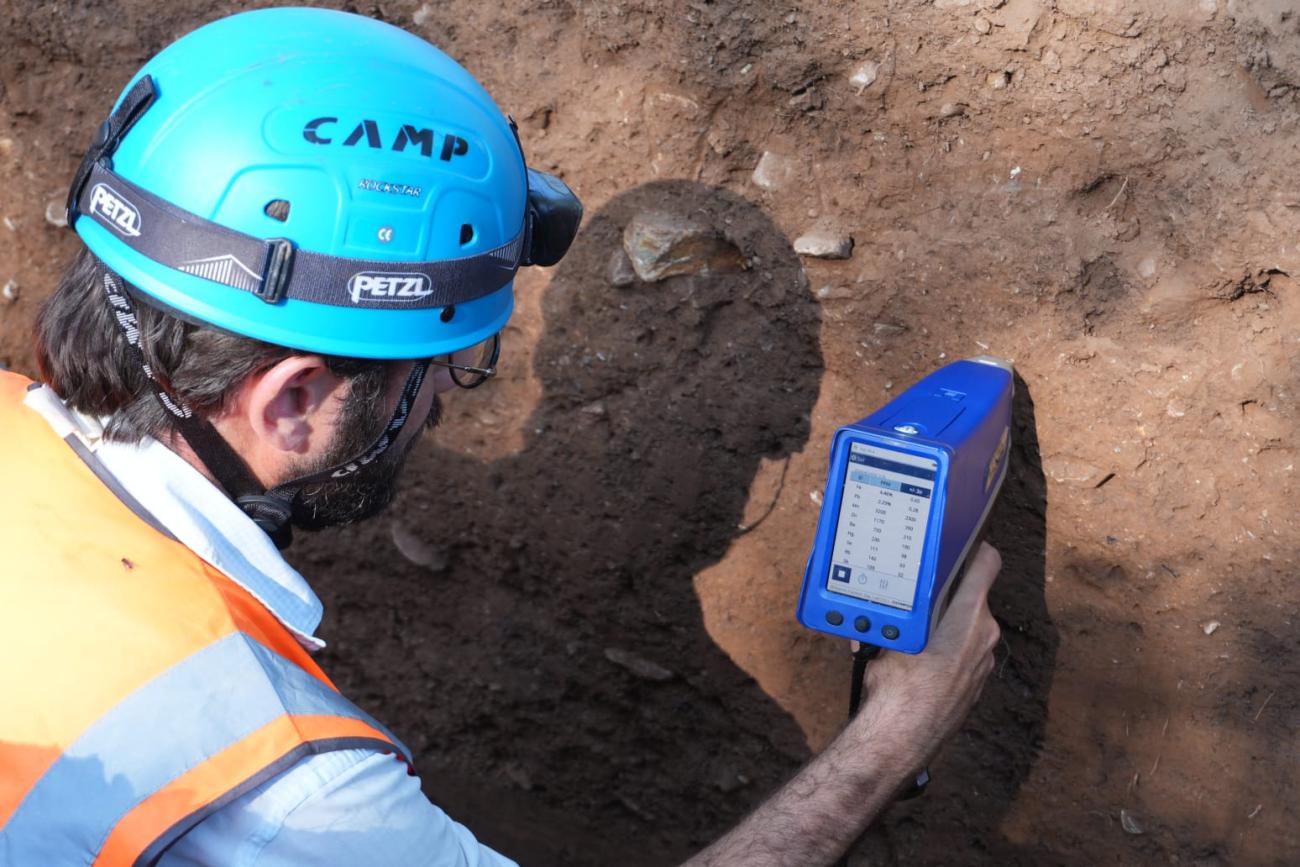
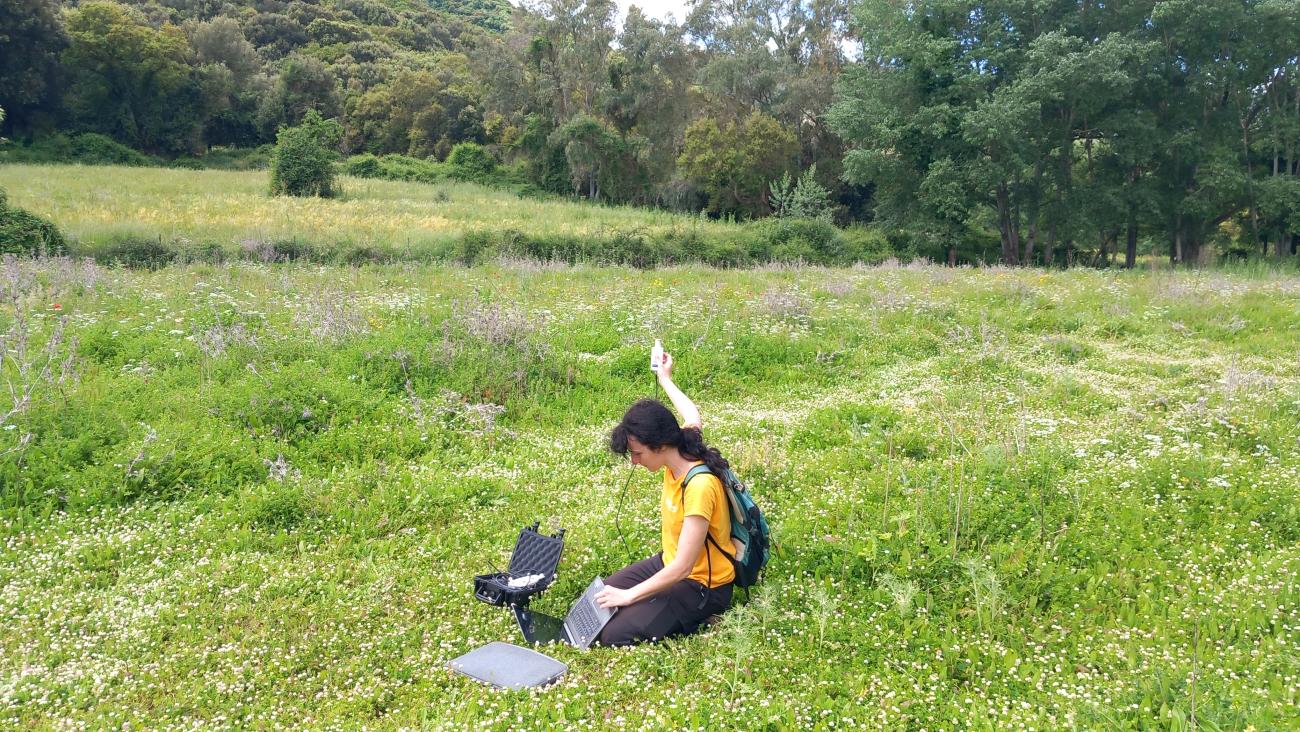
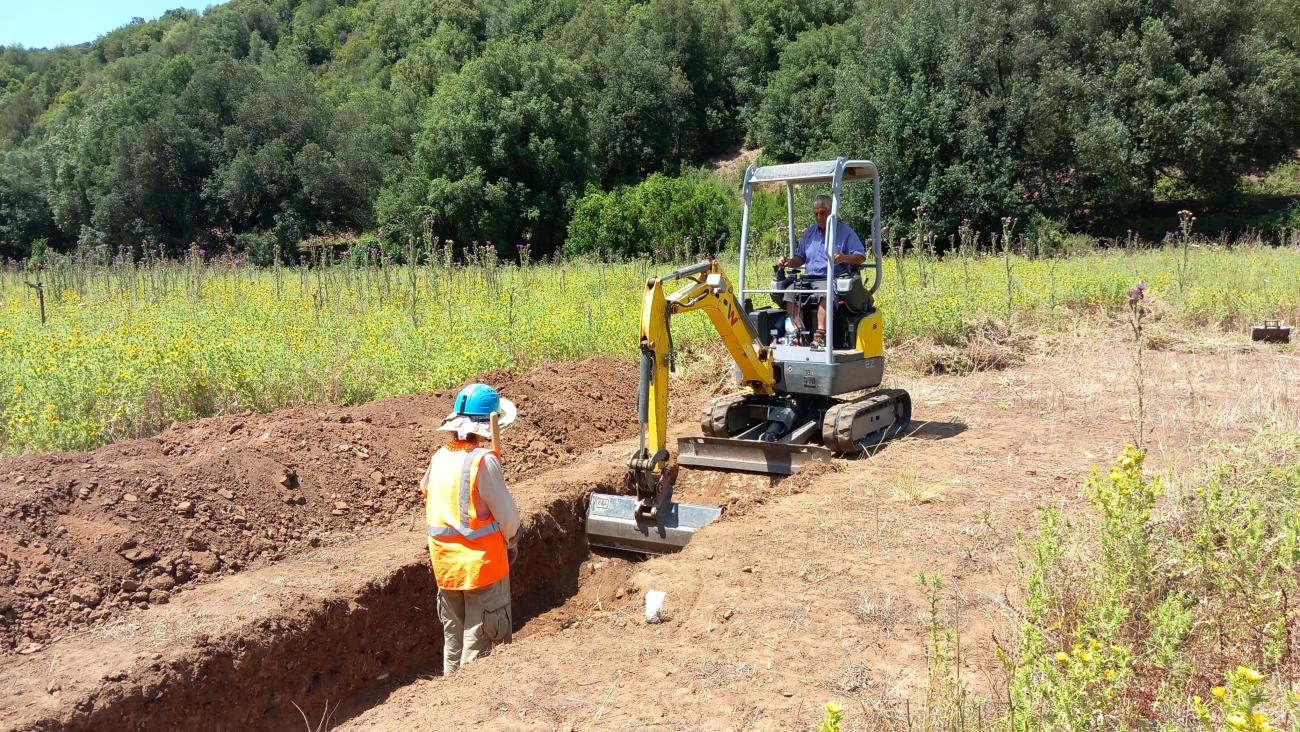
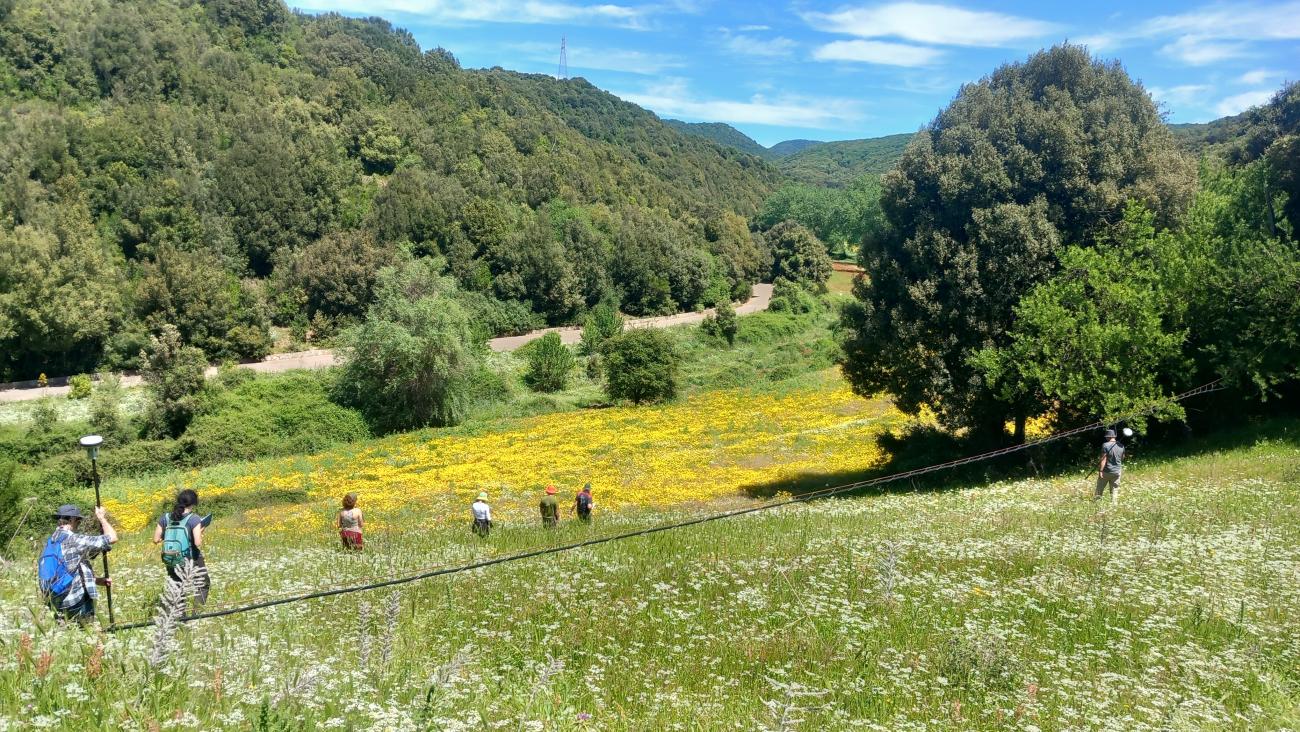
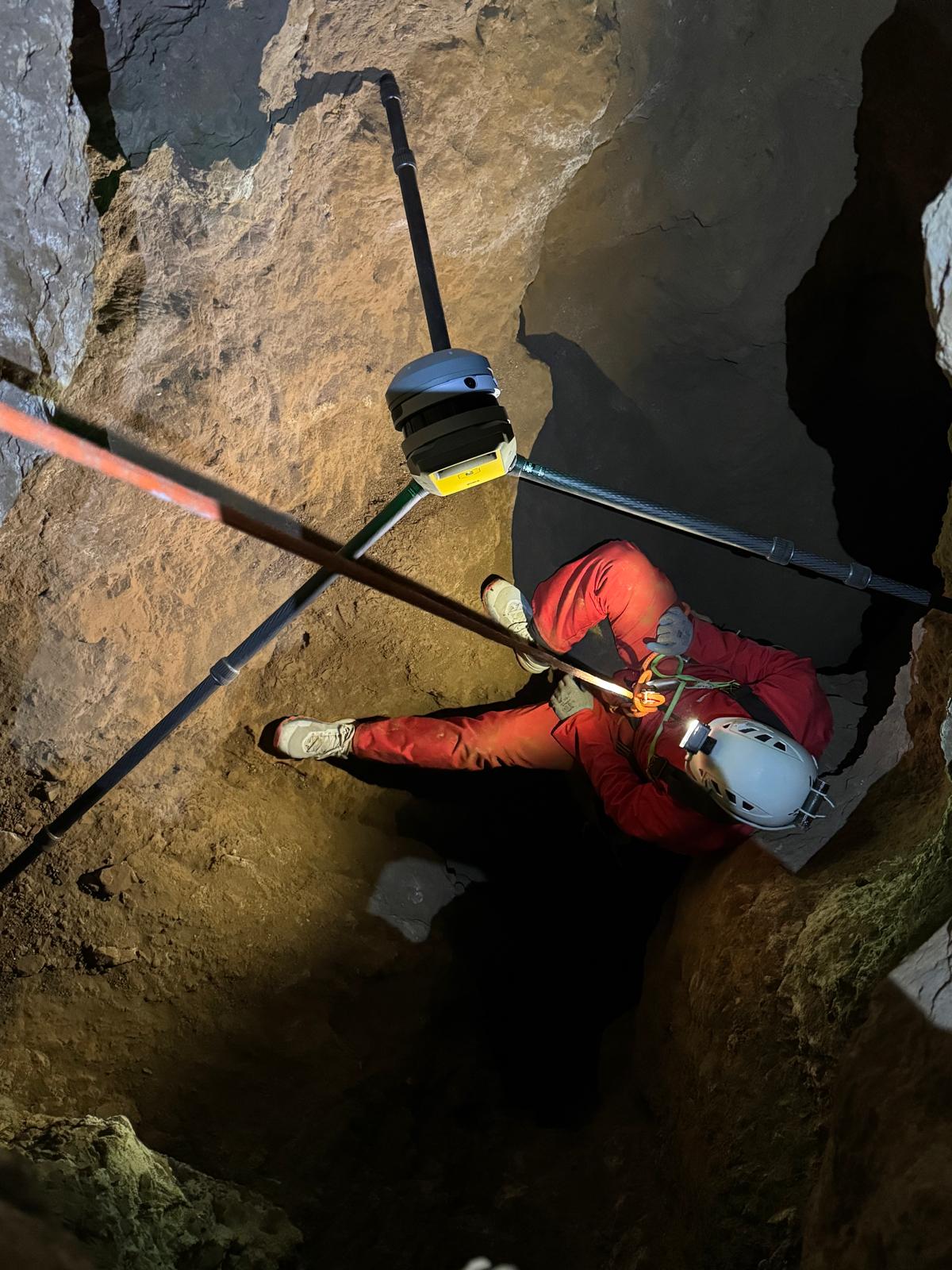
This historical and archaeological investigation in Iglesiente will 1) retrace the social, cultural and professional realities of the world of miners working in a well-documented silver production complex, but whose study is not as advanced as that of other production areas in medieval Europe; 2) trace the short- and long-term consequences of ore extraction and processing on the environment and the health of populations. In so doing, the project will provide 3) a wealth of opportunities for training, scientific collaboration, heritage enhancement and public awareness of historical, archaeological and environmental issues.
Scientific managers
- Nicolas Minvielle Larousse (CNRS - LA3M)
- Guy Geltner (Monash University)
Institute laboratories involved
- Mediterranean Laboratory of Medieval and Modern Archaeology (LA3M)
Partner institutions and teams
- French School of Rome
- Monasch University (Australia)
- Federazione speleologica sarda
- Università degli studi di Cagliari
- France, Americas, Spain, Societies, Powers, Actors Laboratory (Framespa)
- Archaeomaterials Research Institute (Iramat)